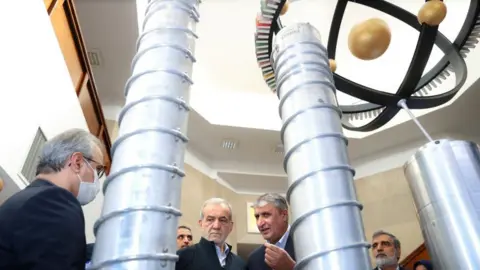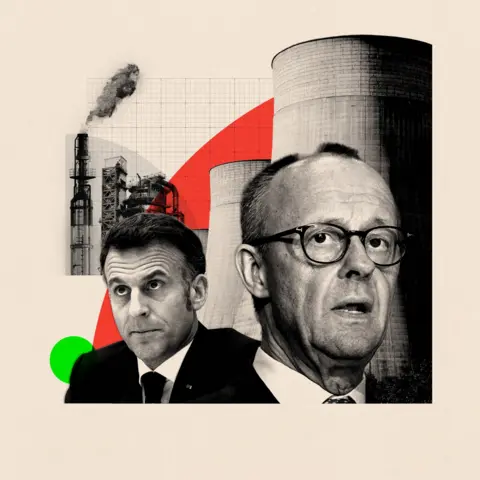
The knock-on effects of the Iran conflict are awakening concerns of past energy crises that rocked the European Union (EU). Seven months after Russia's invasion of Ukraine in 2022, European Commission President Ursula von der Leyen accused Russia of manipulating the EU's energy market, prompting Europe to pivot away from Russian gas towards more reliable partners like the US and Norway.
Fast forward four years, Europe is embroiled in another energy crisis triggered by the Middle East conflict. Tensions have led to rising energy prices and governmental panic as leaders scramble for immediate solutions in the wake of potential voter backlash.
A frustrated diplomat voiced concerns over Europe’s deep energy-linked frustrations, highlighting the growing reliance on alternative suppliers such as Norway and the US after phasing out Russian imports. This change comes after significant moves to reduce reliance on Russian energy, with only a small fraction of oil imports now sourced from there.
Despite this, dependence persists, particularly on US liquefied natural gas (LNG), which now accounts for a significant portion of Europe’s energy supply. President Trump's government has become a pivotal force in Europe's energy landscape, supplying 57% of the bloc’s LNG demands.
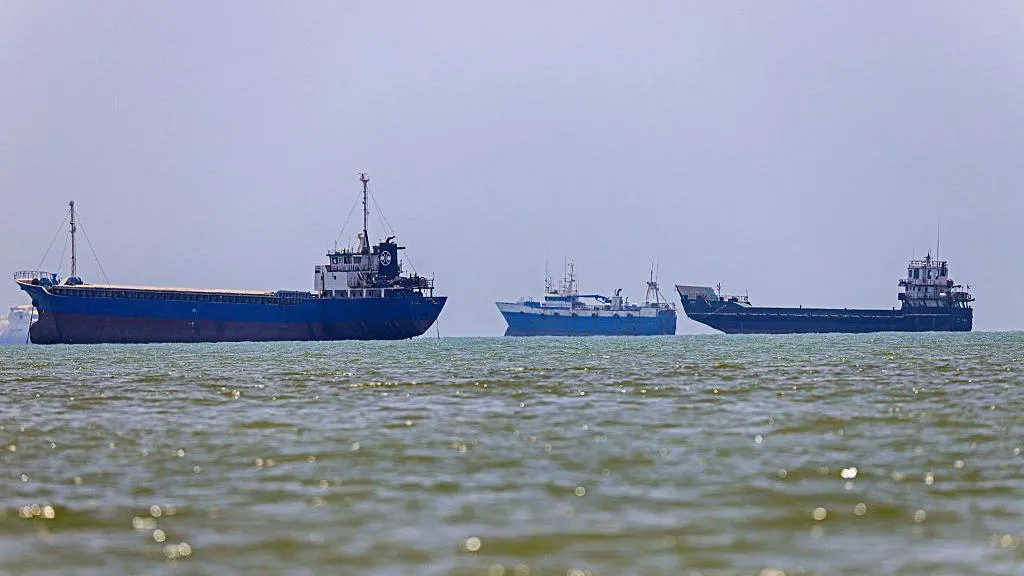
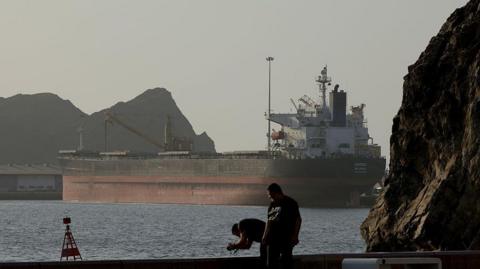
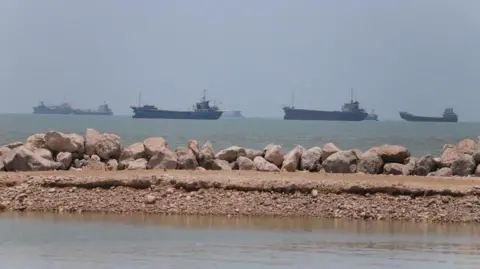
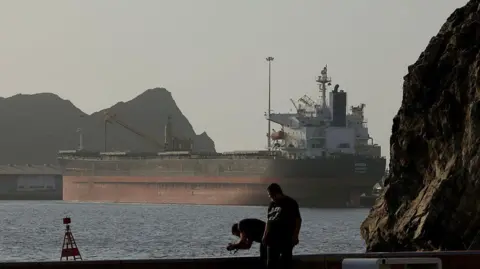
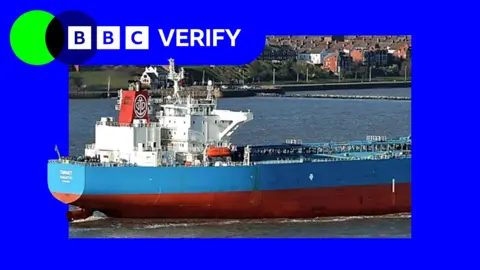
The ongoing crisis is exacerbated by the geopolitical dimensions of the Iran war, which threatens oil supply routes critical for global markets, notably through the Strait of Hormuz. With the potential for price spikes affecting Europe assured, leaders are now more worried than ever as the energy market becomes volatile.
As EU leaders prepare for an urgent summit amid rising prices and inflationary pressures, discussions over taxes, price caps, and other short-term solutions are in play to alleviate the economic impact of the crisis. However, differing perspectives continue to create divides, with some member states suggesting that existing frameworks, such as the Emissions Trading System, may also need reevaluation to accommodate rising energy costs.
The lessons from the Iranian war, paired with complex interdependencies, suggest that Europe’s energy landscape remains intricate and fraught with challenges. As leaders deliberate on immediate responsive measures, the critical question remains whether this crisis will catalyze a deeper commitment to energy security and independence across Europe, ensuring that lessons from past conflicts are not overlooked.