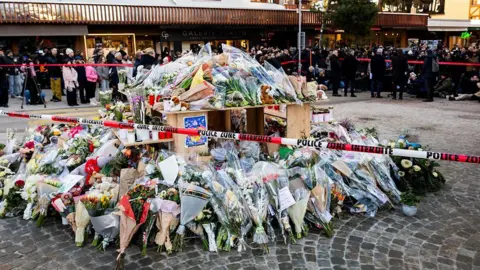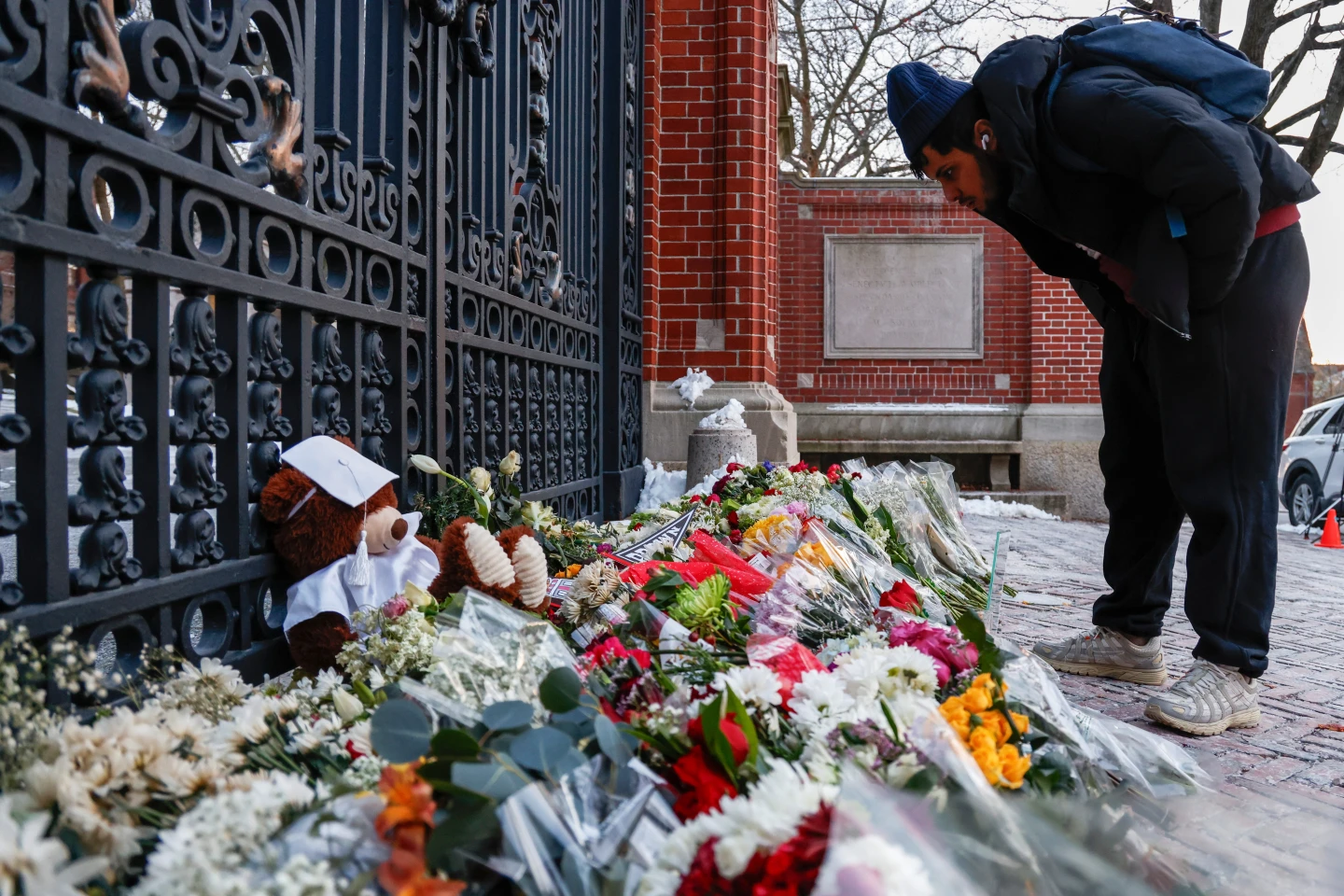
PROVIDENCE, R.I. — A man opened fire on Brown University’s campus, tragically taking the lives of two students and injuring nine others during a busy exam period, prompting serious discussions about the university's security measures and the progress of the ongoing investigation.
Following the shooting incident, officials revealed that a person of interest had been detained but was subsequently released without charges, leaving investigators searching for new leads amidst limited security footage. Two days after the attack, law enforcement officials were still conducting basic investigative work, canvassing the area for potential witnesses and surveillance footage as students and local residents voiced their concerns over campus safety protocols.
Li Ding, a student from the nearby Rhode Island School of Design, expressed frustration regarding the limited effectiveness of the surveillance systems in place: “The fact that we’re in such a surveillance state but that wasn’t used correctly at all is just so deeply frustrating.” She, along with hundreds of other students, has signed a petition demanding improved security across campus buildings.
Kristy dosReis, chief public information officer for the Providence Police Department, reaffirmed that the investigation remained active, ensuring that all available leads were pursued even after detaining a suspect who proved not to be involved.
New footage showcasing the alleged shooter has been released, prompting law enforcement to offer a $50,000 reward for credible information leading to his identification and capture. FBI Boston Special Agent Ted Docks described the meticulousness of the investigation, which entails gathering evidence from the shooting scene and piecing together an actionable timeline.
Despite being equipped with numerous cameras, critical areas like the Barus and Holley building were devoid of them, further complicating the investigation, as authorities appealed to the public for any available footage.
Students informed about the shooting via the university's emergency alert system found themselves uncertain about their response during the prolonged campus lockdown. Some resorted to hiding while wondering what action to take next, illustrating the panic and confusion during the incident.
Experts point out that colleges often face unique challenges when responding to security threats, noting that campus police departments usually lack sufficient training and resources compared to larger law enforcement agencies. Concerns regarding funding and the effectiveness of security measures have been raised, urging a reassessment of safety protocols and emergency response systems to ensure the well-being of students and community members alike.
The recent transition of Providence's emergency alert system from a mobile app to a web-based platform underlines the necessity for clear communication, as many residents were unaware of this change, missing crucial alerts on the day of the incident. Community members expressed their reliance on personal communications for real-time updates, indicating a need for revisiting effective alerting strategies to guarantee comprehensive notifications in future emergencies.