In brief
A BBC‑run investigation has brought to light the clandestine network of Russian‑run detention facilities in eastern Ukraine, where civilians and prisoners of war have endured systematic torture, sexual violence, and forced labor. The story hinges on the testimony of Liudmyla Huseinova, a survivor who offers vivid accounts of beatings, electric shocks, and sexual assault, and on the identification of key guards such as Yurii Temerbek, Ruslan Yeriomichev and Andrey Spivak. Open‑source investigators have traced these men to ordinary life in Russia and occupied Ukraine, revealing that they remain free while evidence points to widespread abuse. Ukrainian prosecutors have opened legal proceedings against dozens of alleged violators and only one former head of the notorious Izolyatsia prison has been sentenced, showcasing the difficulty of securing accountability. The article calls for the international community to hold these individuals accountable under law, not revenge, and documents the ongoing challenges in accessing and bringing justice for victims of this hidden network.
The dark truth about the so‑called "torture prisons" that operate under Russian‑backed forces in eastern Ukraine has just been exposed by the BBC.
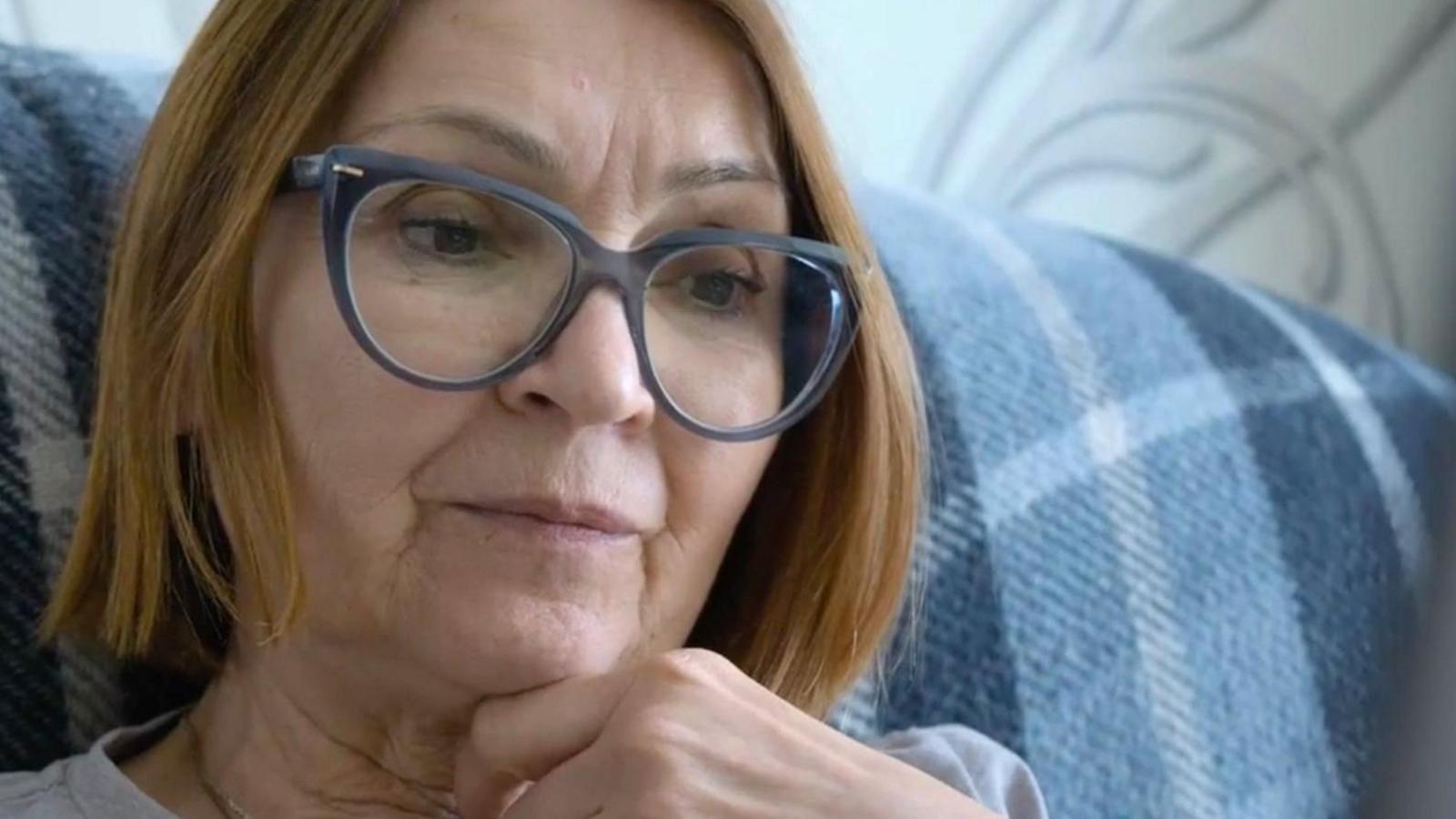
It all began when Liudmyla Huseinova, then 64‑year‑old and a safety engineer on a poultry farm, was seized by men in a car on a cold October morning in 2019. She was dragged into the back seat, her bag seized, and for more than three years her body and soul were described as crippled by the punishments inflicted by the Russian‑occupied detention system.
Investigators identified a key figure among those men – Yurii Temerbek, a former Ukrainian traffic policeman who joined the Russian‑backed separatists. Two weeks after Liudmyla’s capture she was brought to Izolyatsia, a factory‑turned-prison, where a man with a Russian accent sexually assaulted her. Later she learned that Tem‑er‑bek had tried to force her into a false confession of spying, threatening to send her to Siberia.
The BBC’s investigation, assisted by Ukrainian investigators Bohdan Kosokhatko and Vladyslav Chyryk, used social media posts, documents from Ukrainian prosecutors, diary entries of former detainees and online maps to piece together the identities of three main guards: Temerbek, Ruslan Yeriomichev (known as Yermak in prison) and Andrey Spivak. All three were Ukrainian nationals who later obtained Russian passports and now live ordinary lives near the border; none have been arrested by Russian or Ukrainian authorities.
Reports of the prisons’ abuse are nothing new. The UN’s Office of the High Commissioner for Human Rights claims that the torture and cruel treatment of civilians in these facilities is “systematic and widespread.” Victims recount electric shocks to the genitals, forced ingestion of soil and rubbish, standing under harsh lights from dawn to dusk, and the constant threat of being beaten. Yet everyday people who work as taxi drivers, fishermen or holidays in Crimea are still free to walk on the streets.
The UK’s BBC has also mapped more than 90 sites in occupied Ukraine and some 100 in Russia where civilians and prisoners of war have been held since 2023. Roughly 2,000 civilians have passed through these centers since the full‑scale invasion of 2022, and a small number of captives remain in the network to this day.
While Ukrainian prosecutors have charged 85 people for conflict‑related sexual violence, only 30 have received sentences, the majority of which have been passed in absentia. The BBC was able to contact the three men mentioned in the report; neither answered. The Russian embassy in the UK claimed the allegations were “documented and investigated,” but officials within the country have yet to bring the alleged perpetrators to justice.
Liudmyla and former detainee Oleksii Sivak, a sailor suffered electric torture in Kherson, both urge the world to seek legal accountability. For Liudmyla, “justice is the decree that these people intentionally did what they did,” and she now runs an organization to support other victim women.