Inside Nigeria's Security Crisis: The Surge of Gangs, Extremists, and Separatists
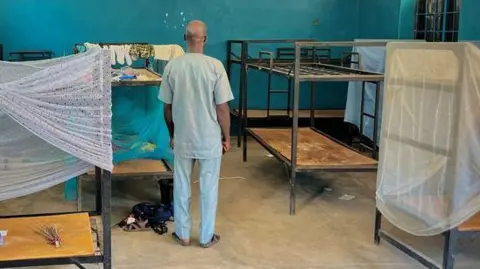
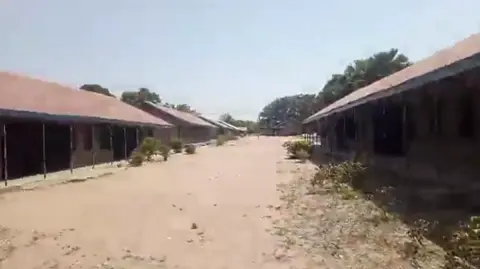
Nigeria is currently grappling with a spate of mass abductions, but the vast country faces a myriad of security challenges beyond individual incidents. The landscape of violence is complex, with over 250 ethnic groups navigating a predominantly Muslim north and a largely Christian south, creating a fertile ground for tensions.
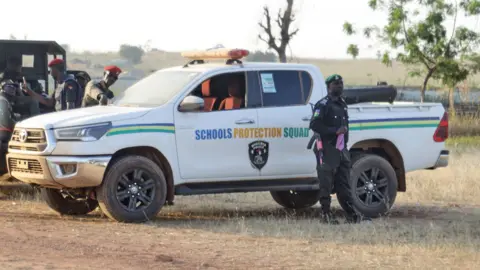
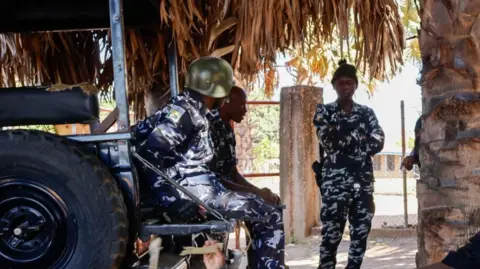
Recent attempts by international figures to characterize the violence as a mere persecution of specific religious groups neglect the intricacies of the situation in Africa's most populous nation. With criminal gangs in the northwest, an Islamist insurgency in the northeast, and separatist unrest in the southeast, the military and police forces are severely overstretched.
'Bandits' - Kidnap Gangs
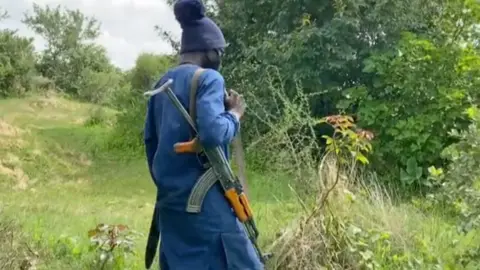
Known locally as 'bandits', these gangs primarily consist of members from the Fulani ethnic group, traditionally cattle herders who have turned to violent crime as a means of survival amidst economic collapse. They are heavily armed and mobile, leveraging motorcycles for quick strikes and escape, making them particularly effective in kidnappings for ransom.
Boko Haram - Jihadist Group
Boko Haram gained worldwide notoriety for the 2014 abduction of schoolgirls in Chibok. Initially a local sect against Western education, the group escalated its campaign into a full-blown insurgency aiming to establish an Islamic state. Despite recent territorial losses, the group continues to perpetrate violence across Nigeria.
Iswap - Boko Haram Splinter Group
Iswap emerged as a faction that deviated from Boko Haram’s violent ideology towards targeting military and governmental objectives while generally avoiding Muslim civilians. This group remains a significant player in the Nigerian jihadist landscape.
Herders vs. Farmers
A long-standing conflict exists between herders and farmers over resources, framed by some as a religious clash, but rooted in access to land and water. This battle has led to massacres, displacements, and the emergence of ethnic militias that perpetuate violence against communities they are supposed to protect.
Ipob - Separatist Group
Separatist movements, particularly from the south-east, continue to demand independence for the Igbo people, a call that traces back to the Nigerian Civil War. The Indigenous People of Biafra (Ipob) has escalated violence, using armed forces to exert control and impose laws that have resulted in severe hardships for local populations.
Conclusion: Nigeria’s security crisis is multifaceted, and its solutions require an understanding of the diverse factors contributing to the violence. With multiple groups vying for power and influence, a coordinated and nuanced approach is essential for restoring peace.