Nigeria's Kidnapping Crisis: Jihadists or Criminal Gangs?
The Nigerian government says jihadist groups Boko Haram and Islamic State in West Africa Province (Iswap) are behind the recent wave of abductions in north-western and central Nigeria, but this has been disputed by analysts who tell the BBC they were committed by criminal gangs locally known as bandits.
This is the first time the government has stated who it believes is responsible for the kidnappings but it has not revealed any evidence to back its claims. Kidnap for ransom has become big business in parts of Nigeria in recent years - with the culprits ranging from kidnap gangs, jihadists and separatists.
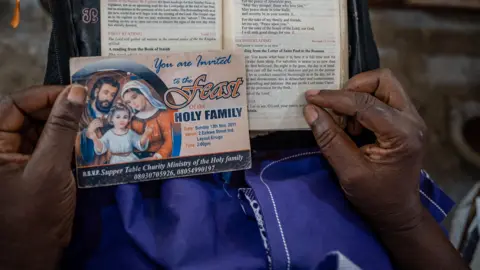
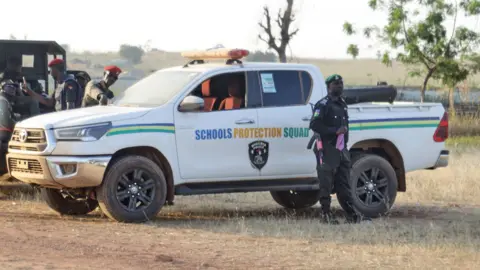
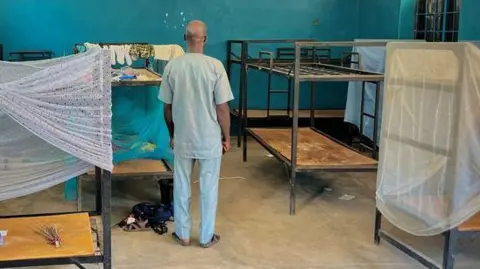
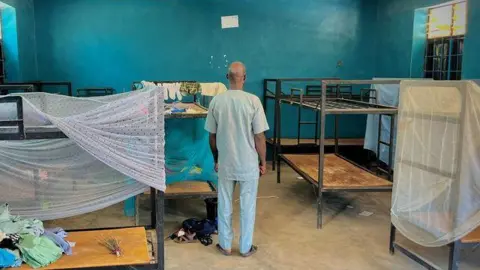
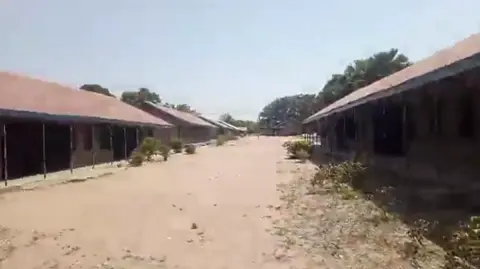
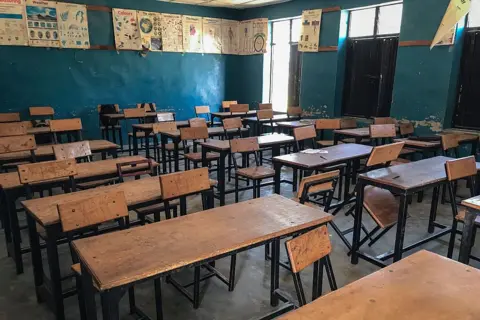
In the past fortnight alone, there have been three mass kidnappings in the region. On November 17, at Government Girls Comprehensive Secondary School in Kebbi state, 25 were abducted; on November 18, 38 were taken from Christ Apostolic Church in Kwara state; and on November 21, more than 250 children and 12 staff members were kidnapped from St Mary's Catholic School in Niger state.
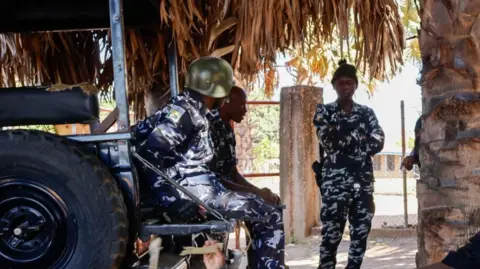
President Bola Tinubu's administration has pledged to address the crisis, although it remains unclear where the kidnappers were primarily operating from. Analysts are skeptical about government claims that jihadists are responsible, as many believe that these kidnappings are orchestrated by local criminal gangs taking advantage of the chaos.
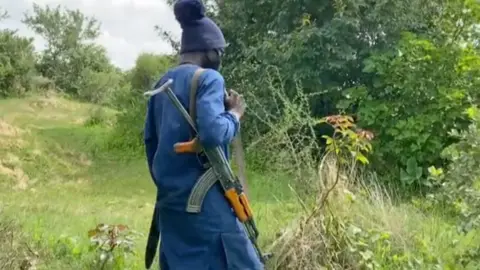
The Bandits are often seen on motorbikes and operate without a central organization, predominantly in the northwest region, whereas Boko Haram and Iswap are traditionally located in the northeast.
International monitoring group Acled reported that the mass abductions seem to have been fueled by political motives, aiming to destabilize government control and push forward personal agendas.
The Nigerian government has officially banned the payment of ransoms, although many believe it is frequently circumvented. Nevertheless, spokesperson Sunday Dare stated that efforts for negotiation and rescue continue, although he did not confirm whether any ransom was paid.
This ongoing crisis reflects a broader security issue in Nigeria, where escalating violence from various militant and criminal groups has created a dire humanitarian situation. As the government grapples with growing criticism and insecurity, the complexity of the challenges it faces in maintaining stability and ensuring public safety cannot be overstated.