In brief
New Bell prison in Douala has become more than a detention centre – it’s a floating city of music. Inmates run their own ‘Jail Time Records’ studio, turning raw beats into chart‑topping Afrobeats that reach cities around the world. The venture, which held a triumphant concert on the prison yard and won Tribeca’s best documentary award, offers inmates a creative outlet that rivals the brutal conditions and overcrowding. While the facility faces chronic overcrowding and outbreaks, the music program shines as a beacon of hope and rehabilitation.
New Bell, a prison in Douala, Cameroon, is a city‑within‑a‑city, complete with its own ‘taxi’ system, patrol dogs, and a bustling market of stolen cook‑out foods. But the most surprising feature of the complex is a music studio and independent record label run entirely by inmates: Jail Time Records.
The studio was set up in 2018 by former prison‑ward‑staff Steve Happi and filmmaker Dione Roach, after a dance class spurred a spontaneous rap session. Inmates now record, produce, and sell music, with half of sales profits feeding back into the label. Their hits—such as Empereur’s 24,000‑view song “Sa Ngando” and Jeje’s Afrobeats ballad “Show Me The Way” from the women’s wing—have fans in South Africa, the United States, and Argentina.
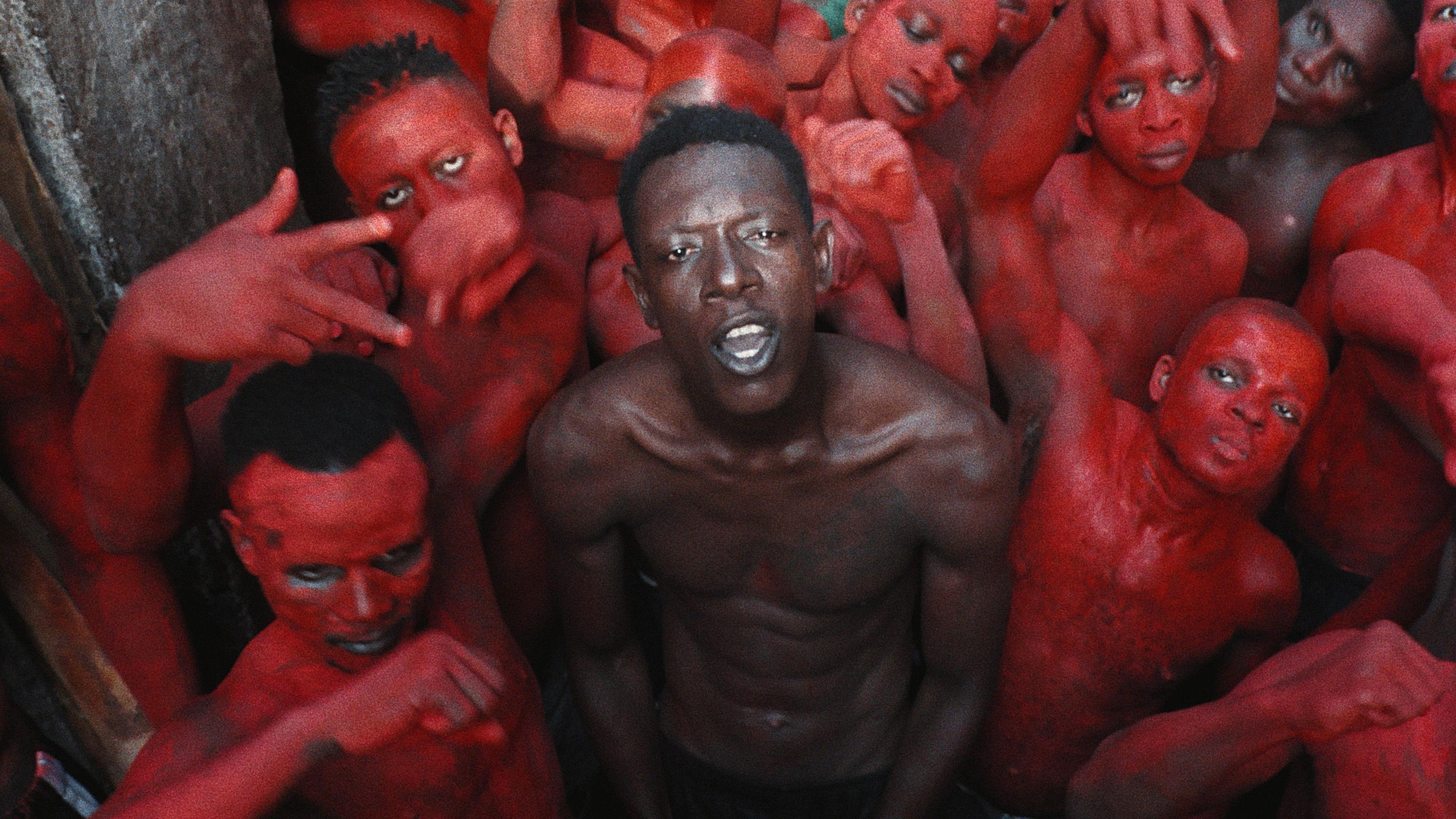
The prize‑winning documentary, co‑directed by Happi and Roach and executive‑produced by Taika Waititi, chronicles inside‑out scenes of inmates recording and live concerts staged in the prison courtyard. At its recent February headline concert, inmates took control of the sound and shared personal stories, shifting the prison from a place of punishment to a creative hub.
Human Rights Watch has warned that New Bell holds 4,700 prisoners—four times its official capacity—with cramped, unsanitary conditions that sparked a cholera outbreak in 2022, killing six inmates. Yet the music initiative gives participants a “lantern for a brighter future”, according to Happi, and the prison’s authorities have shown support, celebrating the group’s growth by attending events and dancing with performers.
Beyond Douala, the team launched a similar studio in Ouagadougou, Burkina Faso, in 2023, hoping to replicate the model elsewhere and bring more prisoners into the fold of empowerment and artistic expression.
The story underscores that even in the most oppressive environments, creative expression can forge solidarity, challenge stigma, and open doors to transformation—transforming New Bell from a dark institution into a vibrant sanctuary for music and hope.