In brief
The recent study conducted in South Africa demonstrates how specific lighting configurations can limit shark visibility and could lead to new, non-invasive measures to enhance safety for surfers.
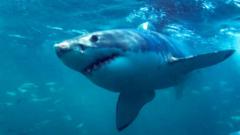
In a groundbreaking study from Macquarie University, scientists have proposed that attaching LED strip lights to the underside of surfboards might effectively deter great white shark attacks. The research was spearheaded in Mossel Bay, South Africa, where researchers employed seal-shaped boards to test different lighting setups to ascertain their impact on sharks’ behavior. According to lead researcher Laura Ryan, the addition of lights helped distort the board's silhouette on the water, making it harder for great whites to distinguish surfers from their natural prey, seals, especially against the sunlit surface. This innovative approach offers a potential non-invasive alternative to traditional shark control measures like nets and drones.Great white sharks are notorious for being responsible for most fatal shark bites on humans, primarily due to their hunting behavior, which typically involves attacking from below. The study emphasized that researchers are interested in exploring whether similar lighting techniques could deter other dangerous shark species, such as bull sharks and tiger sharks. Statistics reveal that there were 69 unprovoked shark bites reported in 2023, predominantly occurring in the United States, Australia, and South Africa, with 10 resulting in fatalities. Researchers tested three different intensities of LED lights, making a notable observation that the brightest lights aligned horizontally were less likely to attract sharks.The team concluded their findings affirm the significance of maintaining a dark silhouette against a lighter background in predatory behavior among great whites. With future tests on surfboards and kayaks underway, researchers aim to develop prototypes of effective safety lights for recreational water sports. This study, published in the journal Current Biology, signals a promising advancement in marine safety technology.