In brief
As the deadline approaches for trade deals with the United States, garment workers in Asia, especially in Cambodia and Sri Lanka, express growing anxiety over the potential job losses from imposed tariffs.
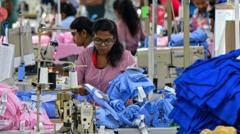
With hopes of securing favorable trade terms dwindling, garment workers in Cambodia and Sri Lanka are grappling with the impending impact of U.S. tariffs that could plunge their economically fragile lives into even greater uncertainty. The looming trade tariffs have overshadowed the livelihoods of millions of garment workers in Asia, as nations like Cambodia and Sri Lanka anxiously await the fate of a crucial trade agreement with the United States. On July 9, a 90-day pause for tariff negotiations concluded, leading to an announcement from President Trump stating new levies would take effect on August 1. Tariff rates proposed are 36% for Cambodia and 30% for Sri Lanka, raising urgent fears among workers who depend on these crucial export markets for their survival.Nike, Levi's, and Lululemon are major brands that rely on garment production in these countries, creating a direct link between American consumers and the Asian garment industry. “Can you imagine what will happen if we lose our jobs? I’m so worried, especially for my kids. They need food,” expressed Nao Soklin, a garment worker in Cambodia, highlighting the critical nature of their employment. With monthly earnings barely covering essential costs, the stakes have never been higher. Cambodia's garment sector exported over $3 billion worth of apparel to the U.S. last year, employing more than 900,000 workers. Similarly, Sri Lanka reported $1.9 billion in garment exports to the U.S., providing jobs for roughly 350,000 people. However, with competing countries like Vietnam receiving lower tariff rates, Sri Lanka's apparel industry faces severe challenges if negotiations fail. Amidst worries over their economic future, both countries are pursuing additional negotiations to reduce tariff rates, hoping for more favorable terms. Meanwhile, analysts warn that these tariffs overlook the long-standing economic relations beneficial to both parties, including lower-priced clothing for U.S. consumers, as well as higher profits for American companies sourcing globally.As ongoing economic struggles in Sri Lanka compound the garment sector’s challenges, the concern primarily falls on women, who constitute 70% of the regional workforce. With reports of potential layoffs looming, the situation grows dire, leading many workers, like An Sopheak, to consider relocating for employment, even if illegally. “We pray every day that President Trump will lift the tariff,” lamented Sopheak, reflecting the desperation felt by many workers. As they face the uncertainty of their futures, the plight of these garment workers reveals a critical intersection of global trade policies and the lives of everyday individuals.