In brief
Hungary’s dominant Tisza party used a two‑thirds parliamentary majority to enact a 17th constitutional amendment that ends President Tamás Sulyok’s term and removes the head of the Constitutional Court. The vote, which followed the shock defeat of Viktor Orbán’s Fidesz party in April, was seen as a decisive step by the new government to consolidate power. Opposition members left parliament in protest, warning that the amendment grants the government almost arbitrary dismissal powers over public officials. Sulyok now has five days to sign the amendment or refer it to court, potentially triggering impeachment proceedings. Analysts suggest the move may erode Hungary’s democratic institutions, echoing previous concerns over the 2011 constitution’s “winner‑takes‑all” clause.
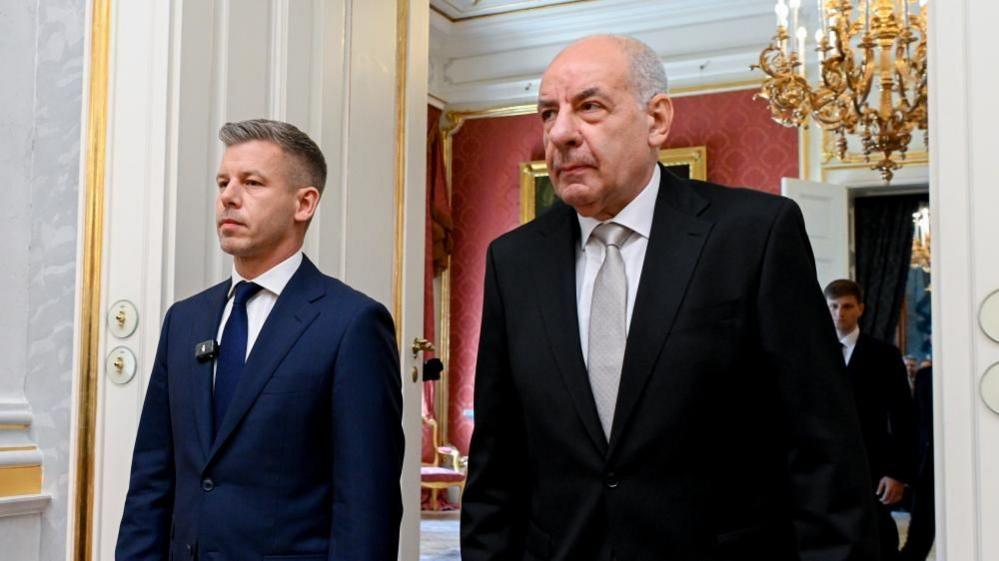
Hungary’s new coalition regime has voted to remove President Tamás Sulyok from office, effectively ending his short term and the independent leadership of the Constitutional Court.
Premier Péter Magyar’s Tisza party, holding a two‑thirds supermajority in the newly elected parliament, swiftly passed the 17th amendment to the constitution on Monday. The draft abolishes the presidency’s term, bars the court’s chief judge, and bans deputies who have served three terms from standing again—over half of the current Fidesz parliamentarians.
Fidesz opposition members stormed out of the chamber, calling the amendment a move toward tyranny. They argued it gives the government “arbitrary” power to dismiss any public officer “with immediate effect.”
Sulyok now faces five days to sign the amendment. If he fails – or chooses to refer it to court – the new government declares it will launch impeachment proceedings that would automatically suspend him. A resignation is being urged to avoid a constitutional crisis, but the president’s support for Orbán’s former administration has made him a key target.
The move comes two months after Viktor Orbán’s historic electoral fall, when Fidesz lost power for the first time in sixteen years. Orbán himself has largely stayed out of the public eye, skipping parliamentary duties and traveling abroad during the World Cup finals. His absence has frayed the party’s cohesion, with high‑ranking members like Gergely Gulyás resigning from leadership roles.
Experts warn that Hungary is regressing from a rule‑of‑law regime toward a more authoritarian regime designed to survive even after electoral defeats. The 2011 constitution had already codified a “winner‑takes‑all” approach, paving the way for Fidesz to fill independent state positions with loyalists.