In brief
The Venezuelan government has initiated the release of political prisoners, including prominent activist Rocío San Miguel, in what officials are calling a goodwill gesture. The move follows a recent high-profile investigation involving President Nicolás Maduro, prompting US President Donald Trump to commend this decision as a step towards peace. While human rights groups have welcomed the release, they express caution given the ongoing number of political detentions in the nation.
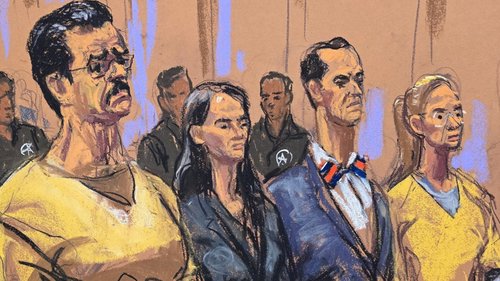
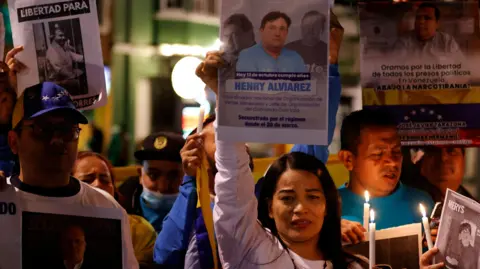
The Venezuelan government has started releasing detainees considered political prisoners by human rights groups, in what officials described as a goodwill gesture. Spain's foreign ministry stated that five of its nationals had been released, including prominent Venezuelan-Spanish rights activist Rocío San Miguel, as confirmed by her family to US media. This development follows the recent U.S. capture of Venezuela's President Nicolás Maduro during a raid in the capital, Caracas, aimed at addressing drug trafficking charges in New York. US President Donald Trump remarked on Truth Social that the release of political prisoners, a longstanding demand from the US, was a very important and smart gesture from Venezuela. Trump emphasized that this move was indicative of Venezuela seeking peace, leading him to cancel a planned second wave of retaliation against the country. Jorge Rodríguez, head of Venezuela's National Assembly, announced on state television that a significant number of prisoners would be released immediately, although specifics about the number or identities of those freed were not disclosed. Hundreds of political prisoners remain detained in Venezuelan prisons. Rodríguez added that this was part of the interim government's goal for national unity and peaceful coexistence. Rocío San Miguel, the first confirmed to be freed, was previously arrested in 2024 on serious charges, and her family reported her shift to the Spanish embassy in Caracas after her release. The recent developments have been cautiously welcomed by Venezuelan human rights organizations amid concerns over the substantial number of political prisoners still held. Though a member of Maduro's inner circle, Rodríguez's administration has exhibited a willingness to cooperate with the US since Maduro's capture. Reports estimate that between 50 to 80 prisoners are currently held at the notorious El Helicoide prison, which may face closures following international pressures. Human rights groups have highlighted ongoing concerns regarding torture and other abuses within Venezuelan detention facilities. Opposition leader Maria Corina Machado has also been vocal in her demands for the release of political prisoners. While detailing her aspirations to present her Nobel Peace Prize to Trump in a forthcoming meeting, Machado continues to advocate for the release of allies imprisoned under charged conditions criticized globally. With these developments unfolding, the world watches as Venezuela navigates this pivotal moment in its ongoing struggle for human rights and political reform.