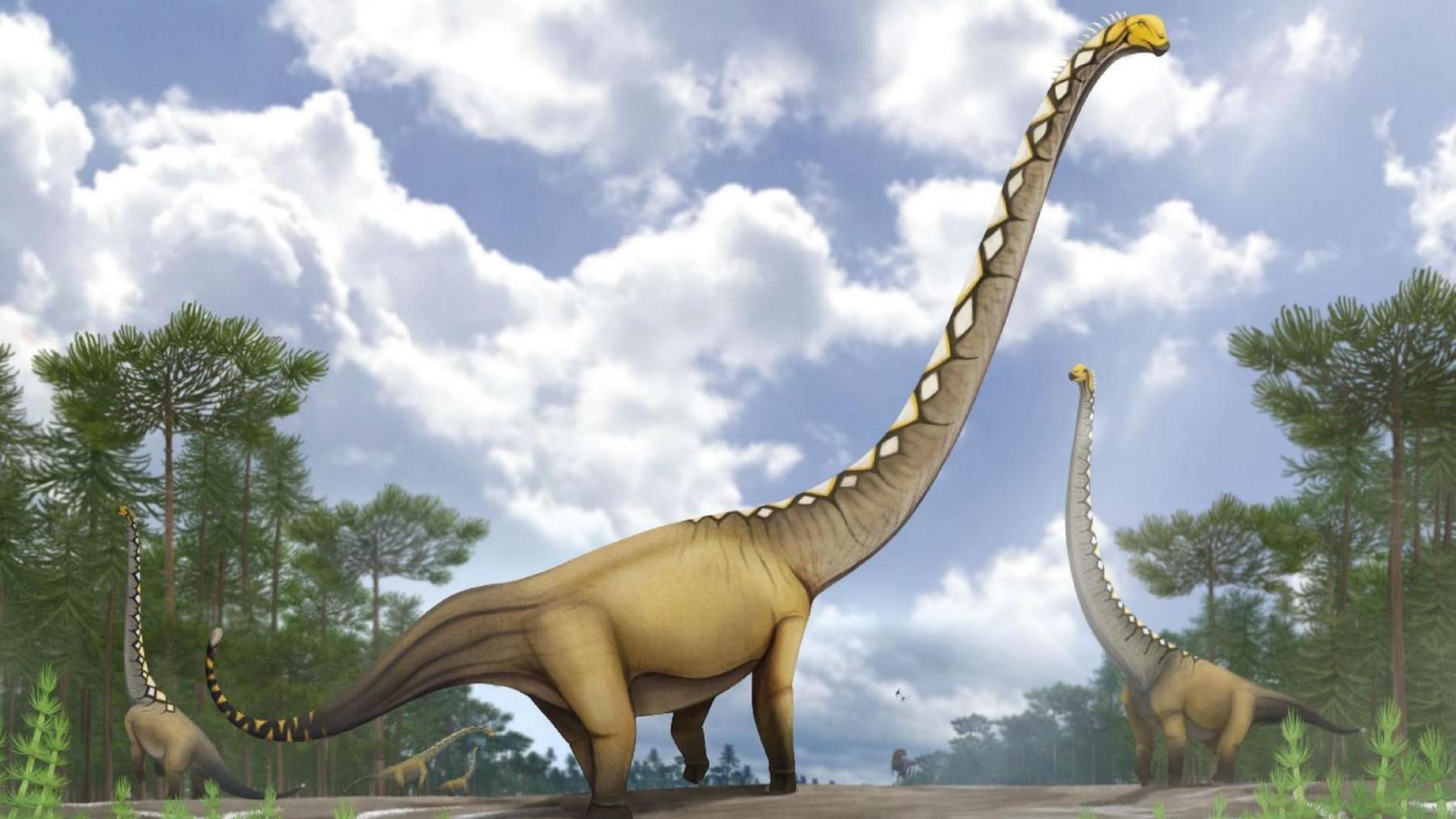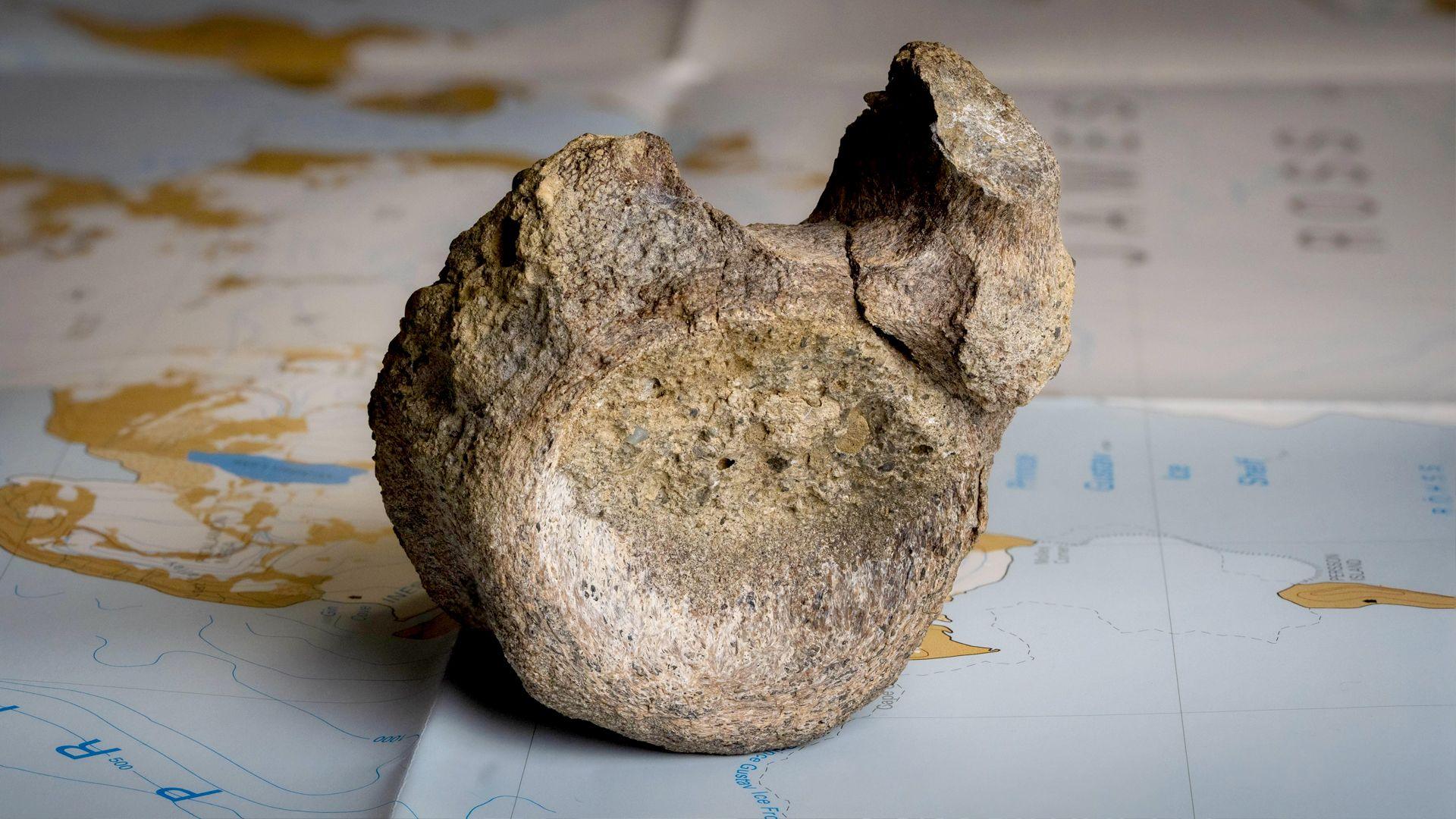
For 40 years a dinosaur stayed forgotten in a drawer. A tiny paleontologist sorting through thousands of rocks in Cambridge recently spotted a fossil that had been stored away from the British Antarctic Survey’s collections. When examined, the bone was identified as a tail vertebra from a Titanosaur – a giant dinosaur once roaming Antarctica’s forested landscapes 80 million years ago.
The find is the first dinosaur bone ever recorded from the continent. The specimen was originally uncovered on James Ross Island in 1985, but its identity was unclear until Dr Mark Evans noted its shape. He consulted Prof Paul Barrett of the Natural History Museum, who confirmed the bone’s distinctive ball‑and‑socket joints, characteristic of Titanosaurs.
From the bone’s size scientists estimate the Antarctic Titanosaur measured about 23 ft (7 m) and could weigh up to 60 tonnes – similar to the largest species known elsewhere. The fossil’s discovery suggests this creature was either a juvenile or a naturally smaller adult, defying the typical growth patterns of the group.
Today the bone sits in a glass case at the BAS labs. It marks a milestone in Antarctic research and a reminder that the ice‑clad continent once teemed with life. The discovery also emphasizes the challenges paleontologists face in extracting fossils from the continent’s thick, shifting glaciers.
For researchers, the find offers a new data point for reconstructing Antarctic ecosystems during the Late Cretaceous. It hints that the region’s ancient climate supported dense forests and massive herbivores, turning a once inhospitable landscape into a vibrant habitat.