In brief
Recent heavy rains in Gaza have exacerbated the dire conditions for displaced families, resulting in increased fatalities and severe damage to shelters. UN officials express urgent concerns about children's health as they contend with hypothermia and living in makeshift housing. Aid from various agencies is ongoing, but the needs remain overwhelming amidst the ongoing conflict.
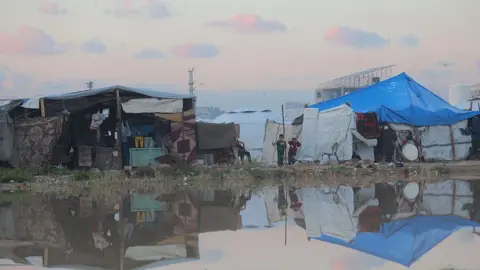
Heavy rains over the past week have compounded the already dire living conditions of the hundreds of thousands of displaced Palestinians in the Gaza Strip, according to UN agencies. Unicef spokesman Jonathan Crickx reported severe flooding with local conditions described as 'horrendous', noting instances of up to 15 cm (6 in) of standing water near his office.
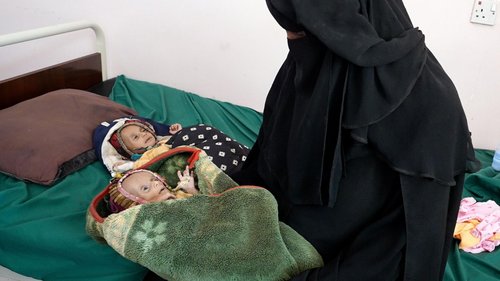
Crickx voiced grave concerns for children living in exposed shelters, warning that many risk suffering from hypothermia or other illnesses due to inadequate clothing and wet living conditions. Tragically, Gaza's Hamas-run health ministry confirmed that one baby had died from hypothermia, accompanied by at least 11 others who perished in building collapses caused by the severe weather.
The intense rains have affected approximately 55,000 families, damaging or destroying their belongings and temporary shelters. Over 40 emergency shelters have faced severe flooding, prompting many to relocate once more.
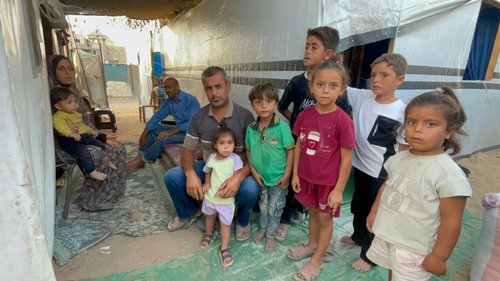
Although UN agencies have been intensifying their distribution of humanitarian aid, including winter clothing, blankets, and tents since a ceasefire was established nine weeks ago, the supply has been insufficient compared to the immense need. An estimated one million individuals currently live in tents or makeshift housing, often facing repeated displacements due to the ongoing war conditions.
Crickx described the harrowing scene of parents attempting to dry out blankets for their children amid continuous rain, with nighttime temperatures dropping to around 7°C (45°F). He emphasized that with the scale of suffering still so immense, children are particularly vulnerable.
Gaza’s health ministry reported that a two-week-old boy named Mohammed Abu al-Khair succumbed to hypothermia following a brief hospitalization, with a total of around 17 fatalities attributed to winter-related collapses. The International Committee of the Red Cross underscored the urgent need for sustained humanitarian support to address both immediate and long-term needs.
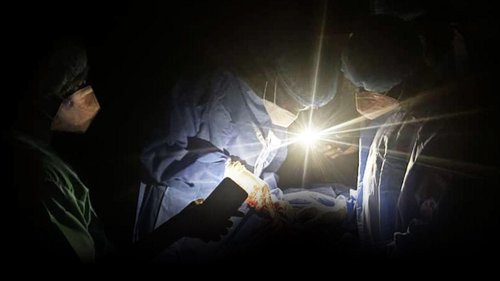
As conditions worsen, both aid agencies and local residents continue to push for more significant international intervention to address the ongoing humanitarian crisis in Gaza, urging for rebuilding and essential infrastructure support amid the persistent aftermath of conflict.