In brief
As tech companies propose large-scale data centers to meet rising demands, communities across the United States are mobilizing against these developments. Local boards grapple with zoning laws and environmental concerns, leading to heightened public opposition and significant project delays. Recent reports indicate a surge in community-driven resistance, with many residents fearing the loss of green spaces, increased energy costs, and potential health risks. Developers are encouraged to enhance engagement and transparency to alleviate growing unrest.
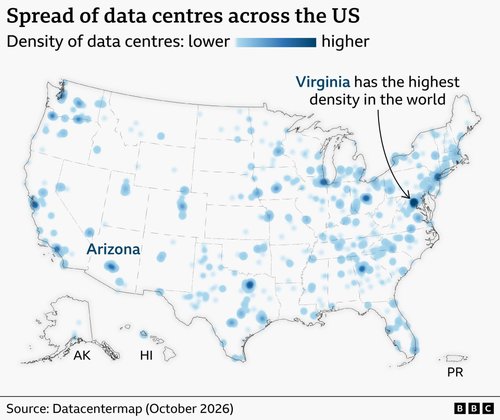
SPRING CITY, Pa. — Tech companies and developers aiming to invest billions in expanding data centers are facing stiff opposition from communities across the U.S. Residents are increasingly unwilling to accept these facilities in their neighborhoods, fearing they will negatively impact their quality of life.Across the nation, localities are learning from each other’s battles against a growing number of proposals, as tech firms seek better power connections for their energy-hungry operations. Municipal boards are left debating whether such projects belong in their zoning frameworks, dealing with requests for waivers, and crafting new ordinances.In town meetings, once-quiet farming communities are now filled with angry citizens urging officials to reject data center requests. Concerns range from increasing electric bills to losing green spaces and potential health risks.The scale of opposition is alarming to industry insiders. Recent data indicates that 20 projects worth a total of $98 billion faced delays or were blocked between April and June due to local backlash. Environmental advocates report a spike in inquiries as communities seek guidance on how to push back against these developments.As municipalities grapple with the implications of data centers, Big Tech firms are starting to acknowledge the impact of community resistance on their plans. Microsoft and others have indicated that local dissent can significantly impede progress on infrastructure projects. In response, industry leaders are calling for better community engagement strategies, emphasizing transparency and economic benefits to gain public trust.Despite the efforts, developers, like those in Matthews, North Carolina, are finding that support from local officials does not guarantee community buy-in, as demonstrated by a heavily opposed project that was withdrawn under pressure. The tension continues to rise as more citizens educate themselves and organize against data center expansions, which they fear could irrevocably change their towns.