In brief
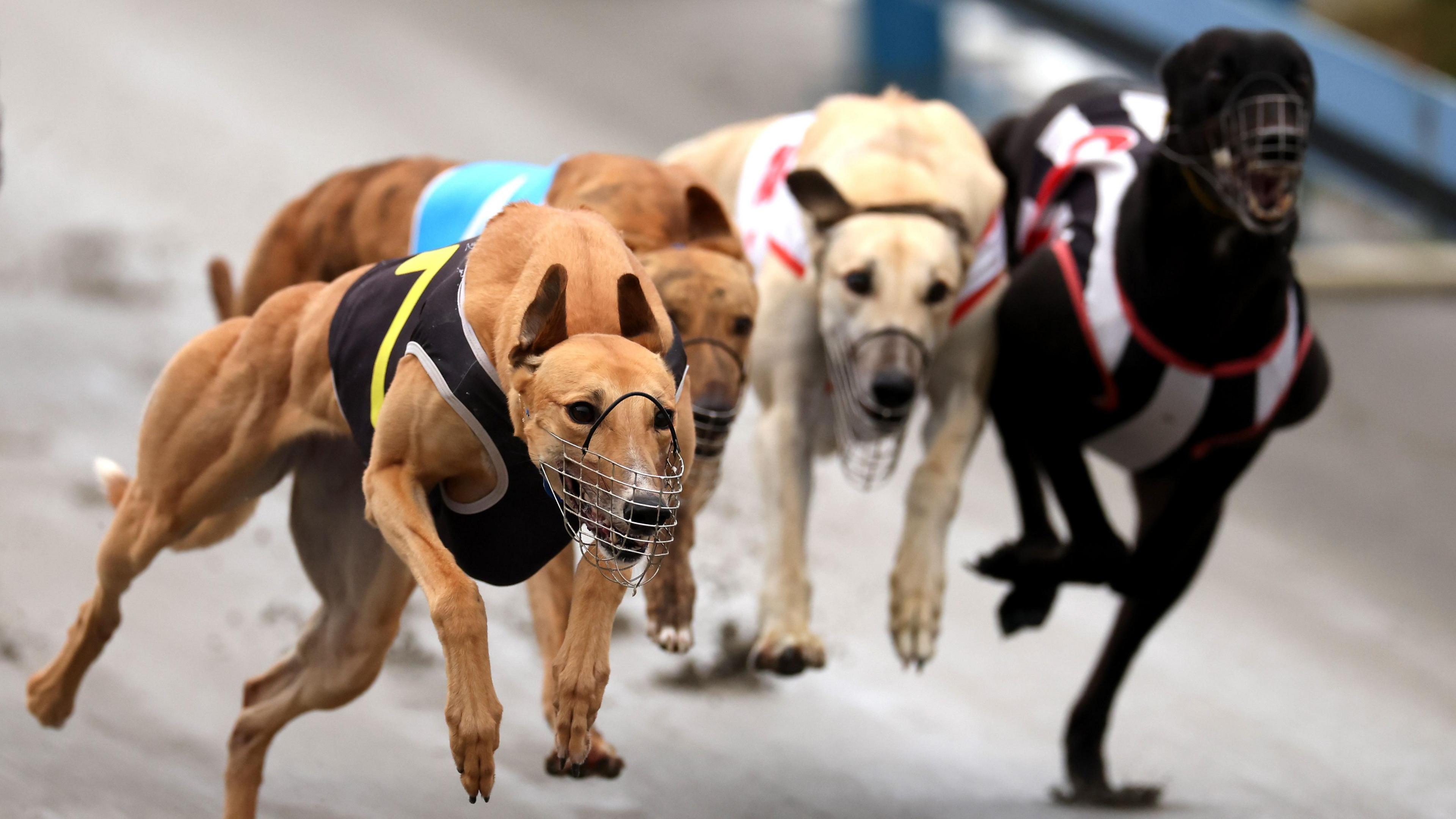
At least two chartered flights carrying up to 150 greyhounds are set to leave New Zealand as the country's ban on racing takes effect on Saturday. While the sport remains legal across most of Australia, the move raises questions about rehoming and animal welfare. Officials say Australian authorities will classify the greyhounds as companion animals and conduct disease screening. New Zealand officials argue the majority of dogs will be rehomed, while industry players see a chance to continue racing. The shift highlights the contrasting regulatory stances between the two nations and the growing scrutiny of greyhound welfare worldwide.
A New Zealand ruling that outlawed greyhound racing is now forcing up to 150 dogs and their trainers to relocate abroad. Two chartered flights are expected to leave the country in the coming weeks, carrying racing greyhounds who would otherwise be retired under a five‑year ban that takes effect this Saturday.
Greyhound Racing New Zealand (GRNZ) says the plan is a "last‑gasp" move by a dying industry, with supporters arguing the sport still has a higher welfare standard than competitors. Ground‑truth, 1,400 greyhounds will retire that month and most will be rehomed; but a small fraction are headed to Australia to continue racing.
In Australia, the cities of Queensland, New South Wales and Victoria regularly host greyhound competitions that generated nearly A$2 billion ($1.4 m) annually—a stark contrast to New Zealand’s $147 m. Australian authorities classify any dog arriving as a companion animal and cool‑check for rabies and other diseases. This bio‑security policy, according to the Department of Agriculture, Fisheries and Forestry, is solely based on health risks, not the intended purpose of the dog.
Queensland’s Racing Integrity Commission has been briefed on the incoming dogs, though the state is reportedly not fully aware of all relocation plans. New South Wales and Victoria officials say they are not in the loop, while Tasmania remains uncertain about the wider ferry‑over initiative.
Senator Mehreen Faruqi of the Greens criticised the loophole that lets racing dogs cross borders, calling the move "deeply concerning." In the same breath, the Coalition for the Protection of Greyhounds notes the Australian rehoming crisis—over 4,100 retired dogs in NSW alone—and says boys and girls in Australia have struggled to find permanent homes for the thousands of dogs relayed overseas.
Beyond the immediate logistics, the week‑long ban will be coupled with significant industry reassessment in New Zealand, where regulators and the racing community anticipate a backlash against the notion of a compromised “social licence” for the sport—a stance that GRNZ claims is misunderstood.
Officials say the flight costs will be covered by GRNZ; trainers and owners will manage other expenses, and the industry expects to provide their dogs with new kennels across Eastern Australia. Whether greyhounds will be able to remain competitive after many breeding facilities shut down in New Zealand remains to be seen.
For full coverage, follow PulseWire’s live map link—click here—and join the discussion on Twitter using #GreyhoundTransit. Updated information will be posted as arrivals confirm and the rehoming process unfolds.