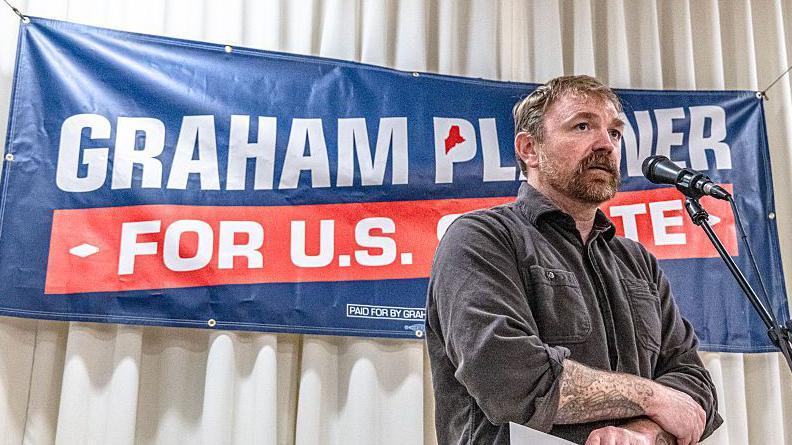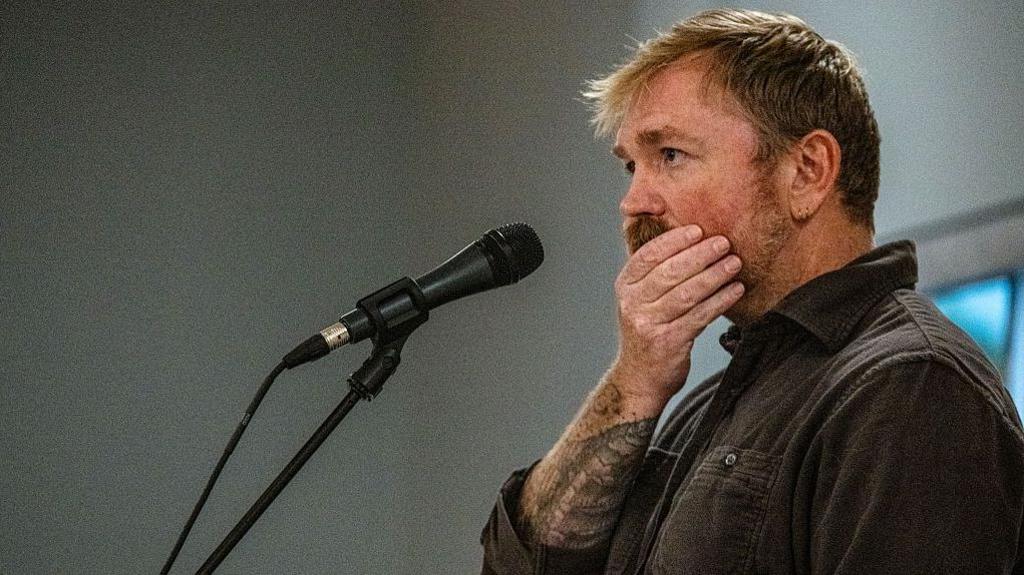
Graham Platner, Maine’s Democratic Senate nominee, announced last night he would suspend his campaign following a new allegation of sexual assault that surfaced just 48 hours after a Politico report. The ex‑Marine was only 97 days into his runoff campaign when a recording surfaced on social media, claiming the intoxicated candidate had entered a woman’s home uninvited in 2021 and assaulted her. Platner has denied the claim, but the party’s support evaporated almost immediately as state and national leaders pulled finance and endorsements.
The race was a centerpiece of the 2026 midterms: Democrats hope to flip Robert Collins’s seat, the sole Republican in Congress from a state that voted for Biden in 2024. By turning Ries’s campaign on its head, the Democrats have unwound a carefully‑crafted narrative built around a “working‑class liberalism” that had electrified voters across rural Maine.
The withdrawal underscores a deeper discord within the party. Progressive leaders like Senators Bernie Sanders and Elizabeth Warren, who had championed Platner, now press the establishment to choose a replacement that keeps the grassroots momentum alive. The state party’s chief executive, Devon Murphy‑Anderson, warned the process must be “open and democratic,” a stance that sparked accusations from Platner’s coalition that leadership was attempting to sideline them.
Within 48 hours of the announcement, the convention organizing body vowed to name a new nominee by the July 27 deadline, calling for a gathering hosted in the next two weeks where delegates would decide. That deadline leaves only 36 days before the election, tightening the timeline for recruiting, fundraising and mobilising voters who expect a candid replacement.
Among potential challengers are former Maine Senate leader Troy Jackson, epidemiologist Nirav Shah, and former secretary‑of‑state Shannon Bellows—each with name recognition and campaign experience that might temper the shock of Platner’s exit. Critics note that the sudden shift could hurt the party’s ability to keep its base energized, as the friction between grassroots activists and the establishment may linger in debate forums and primary battles.
While the Democrats are scrambling to send a message strong enough to beat the veteran Republican Senator Collins—who has withstood multi‑year battles and defeated better‑funded opponents in 2020—some political analysts warn that if a new nominee cannot rally the swiftly waning enthusiasm, the party risks a costly defeat that could keep its Senate gains in limbo.