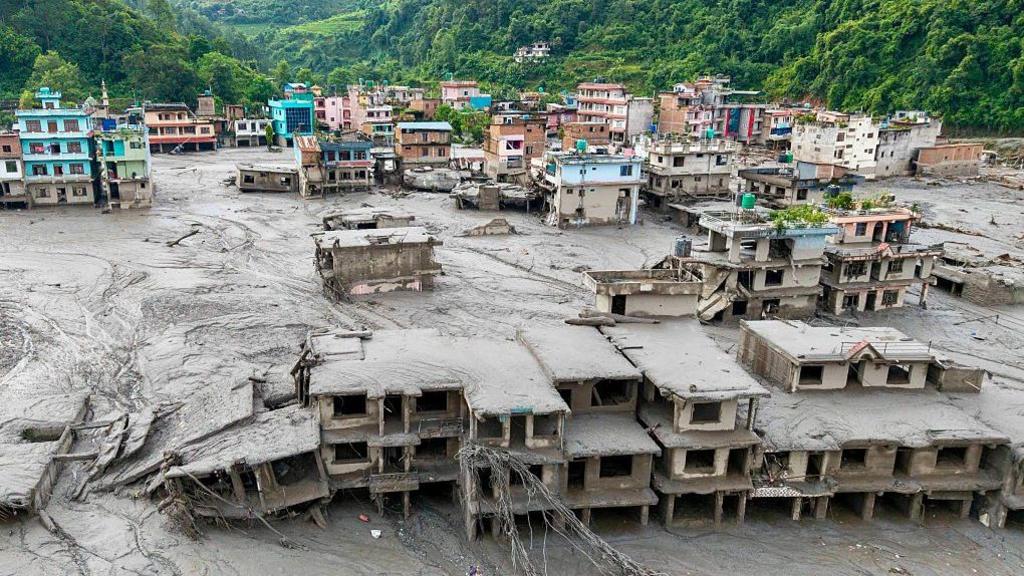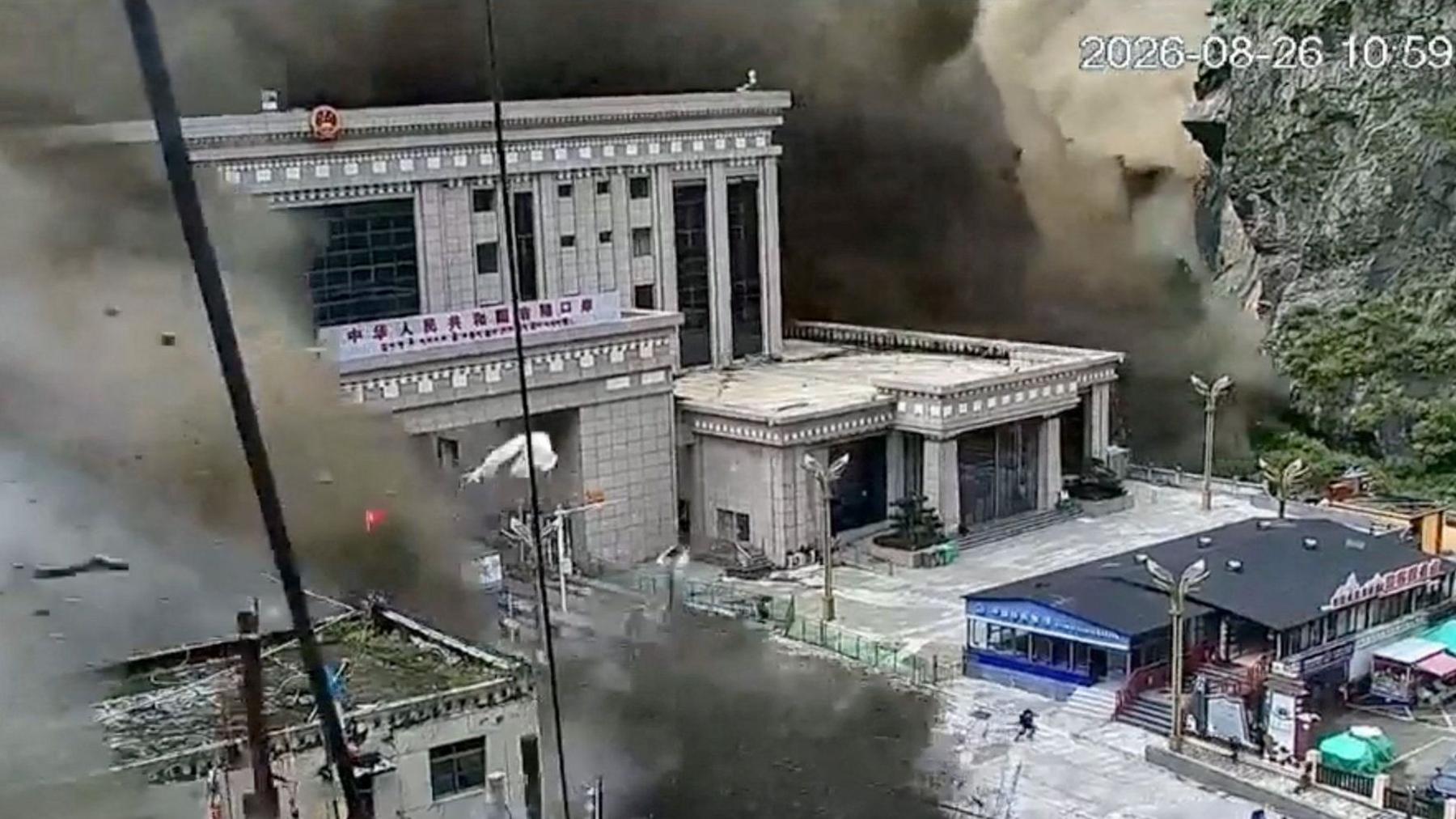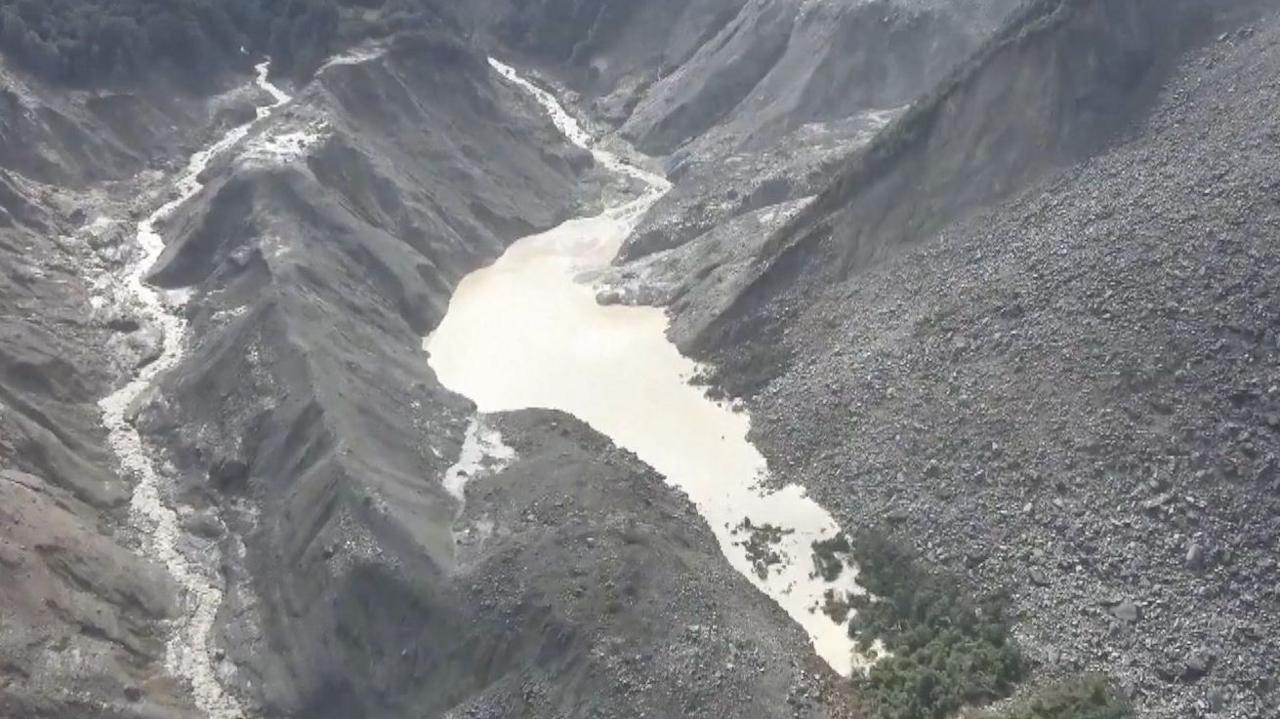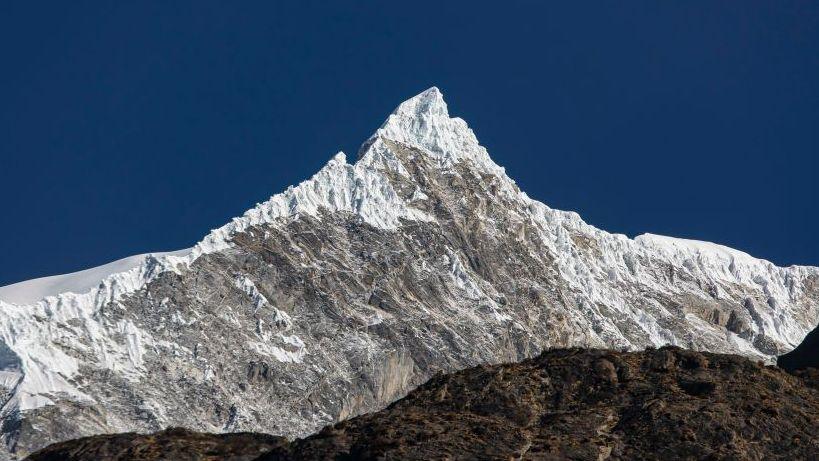
Initial reports blamed an earthquake for the recent flash‑flood that leveled villages along the Nepal‑Tibet border, but the US Geological Survey confirmed the disaster sprang from a glacial collapse. Scientists say the collapse, which unfolded along a side of the Langtang Lirung summit, sent a surge of ice, rock and water downstream, triggering a surge that was felt as a 5.2‑magnitude quake.
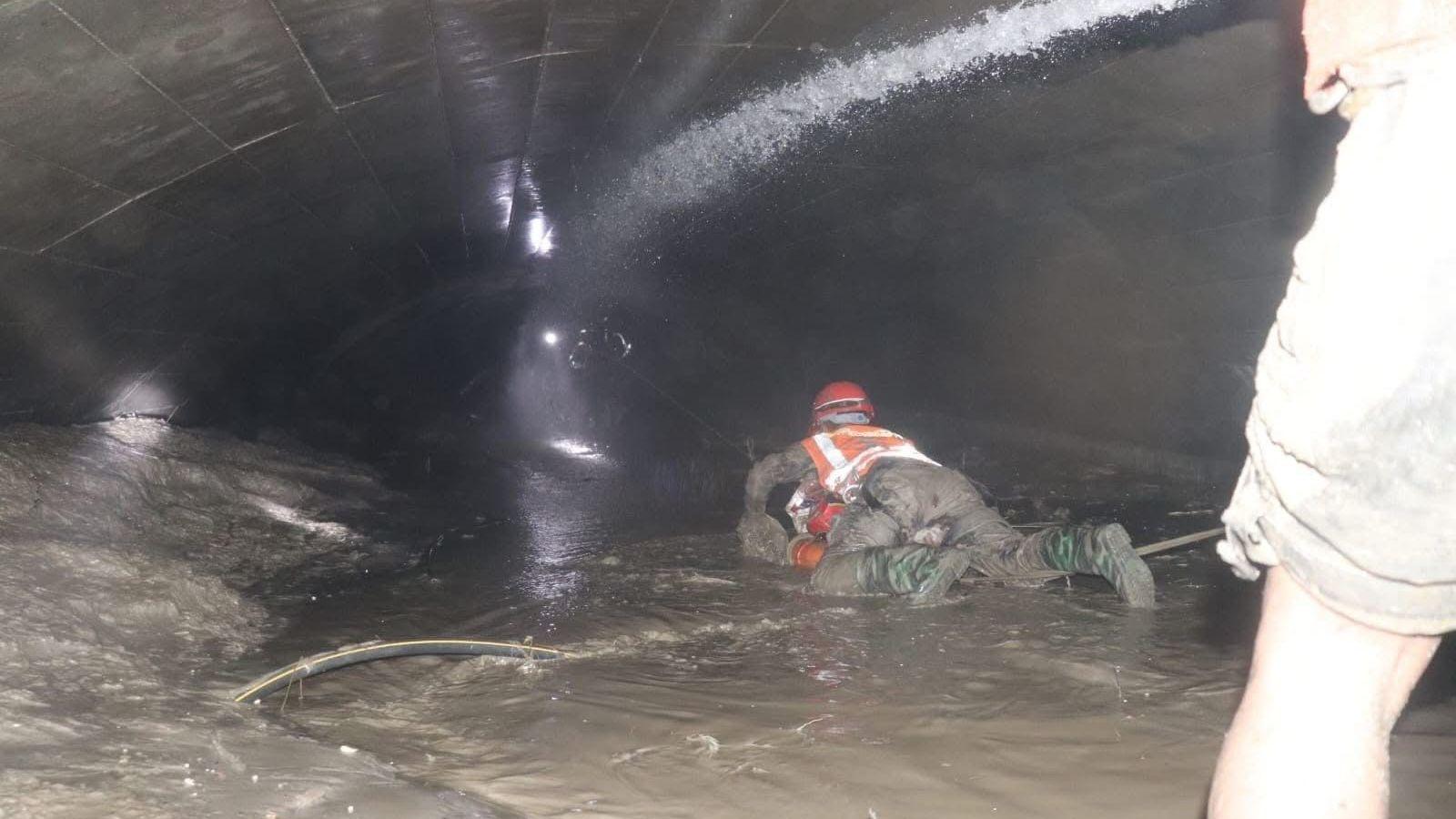
According to Dr Simon Cook of the University of Dundee, the glacier slipped northwest and travelled west before it struck the valley floor, flooding the Lende Khola, a tributary of the Bhote Koshi River. The downstream floodwaters rose 7–9 metres in just thirty minutes, washing away monitoring stations and plunging villages into chaos.
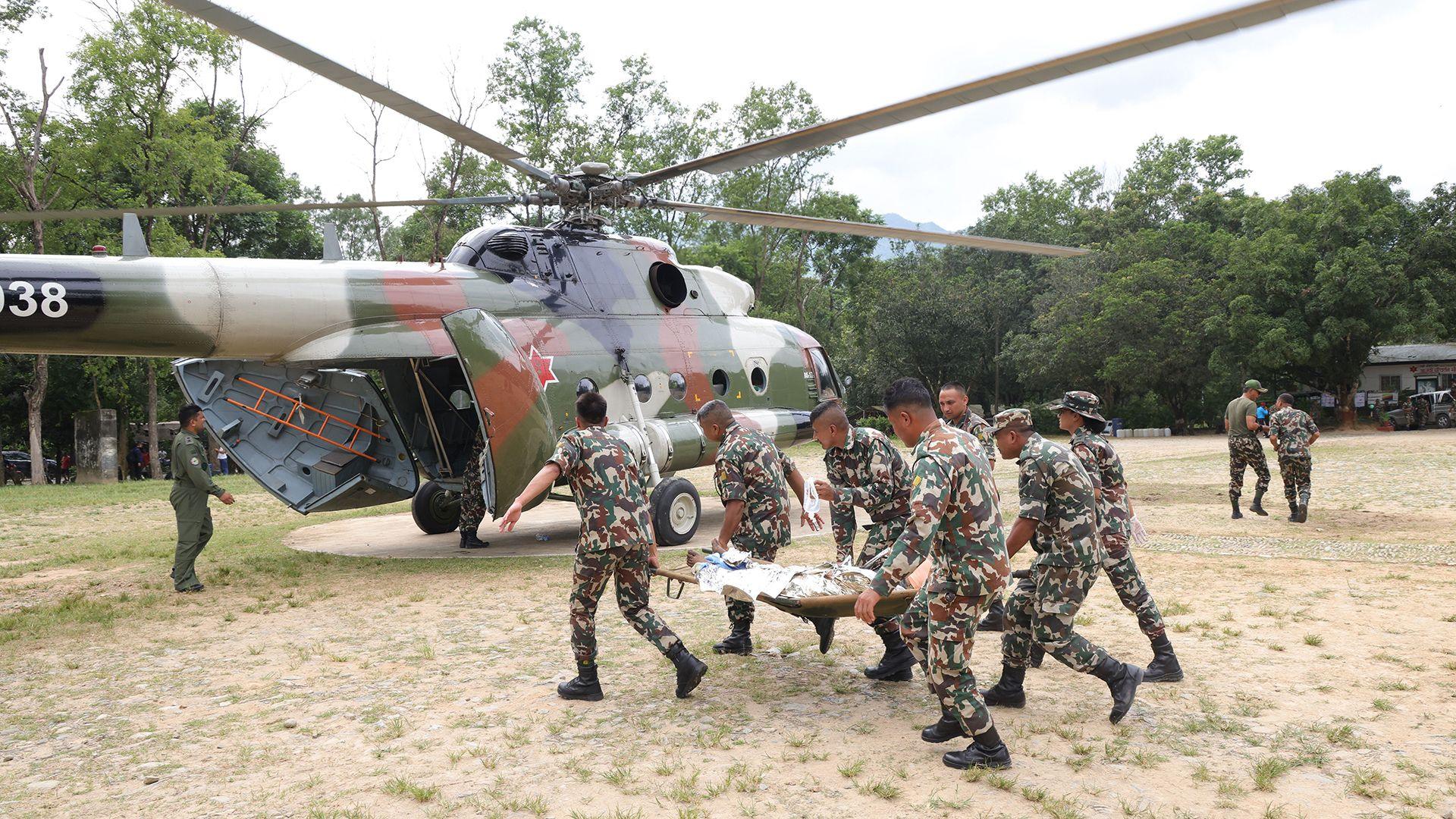
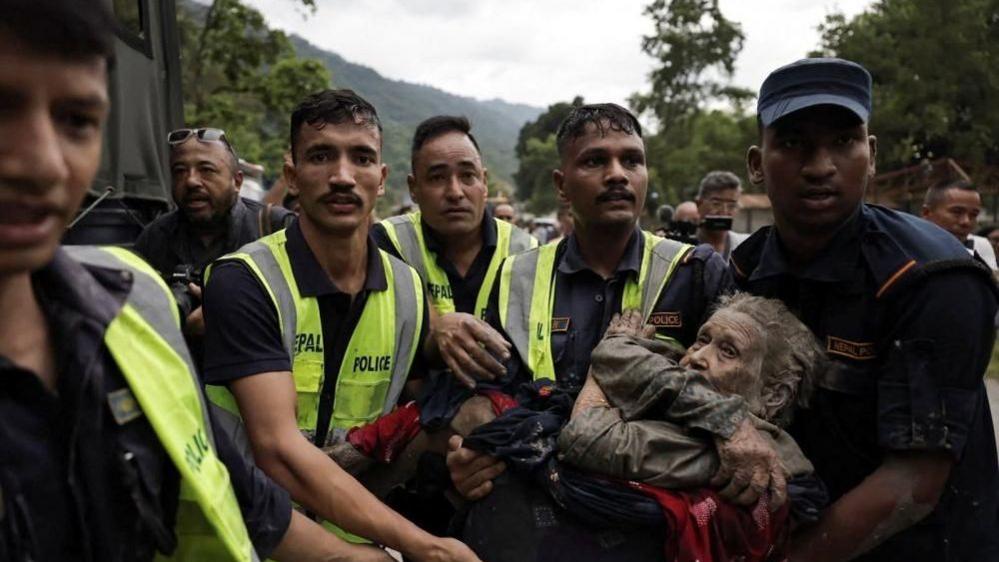
The death toll now stands at 177, with more than 800 people missing. The International Centre for Integrated Mountain Development (ICIMOD) has warned that glaciers in the Hindu Kush Himalaya are losing ice at twice the rate seen since 2000, heightening the risk of new, deadly avalanches.
Previous incidents echo this pattern. In 2021 a Himalayan glacier collapse in northern India caused a flood equivalent to 15 atomic bombs, killing 200 persons. In Nepal, a glacial lake outburst in Tibet last year also resulted in devastating floods.
With climate change intensifying mountain cryosphere destabilisation, scientists warn of increased frequency of landslides, glacial meltwater surges, and other hazards. The event highlights the urgent need for early‑warning systems and community preparedness in glacier‑bound regions.