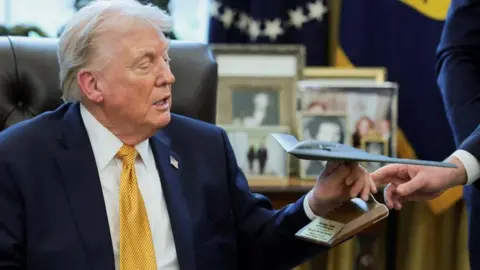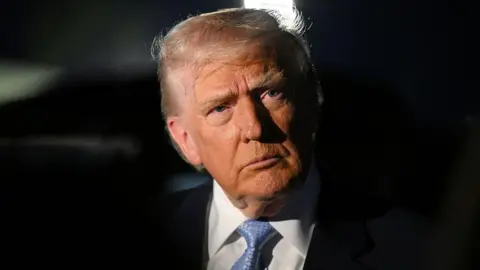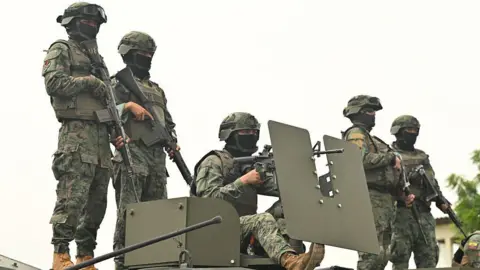
The ongoing legal battle over the deployment of National Guard troops to Los Angeles has escalated following an appeals court's decision to stay a federal judge's ruling. The judge declared President Trump's deployment of 4,000 National Guard members to the city illegal, stating that the troops are typically under state control. Trump justified the move as necessary to prevent protests against his immigration policies from escalating further, claiming the city was "burning down."
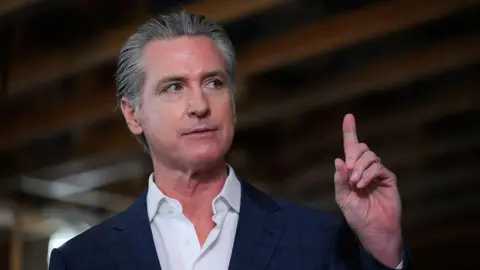
California Governor Gavin Newsom and local leaders quickly condemned the deployment, asserting it was unwarranted and provocative. The appeals court has announced a hearing set for Tuesday, as tensions continue to rise.
In his earlier ruling, Judge Charles Breyer emphasized the importance of adhering to Congressional laws regarding the deployment of National Guard forces. He lambasted Trump's actions as unconstitutional and stressed that the military should not patrol city streets. "His actions were illegal…and he must therefore return control of the California National Guard," the judge decreed.
In a response to the court’s ruling, Newsom articulated on social media that the military should be reserved for battlefields rather than urban centers like Los Angeles. The Trump administration, however, indicated its stance on deploying troops to restore order and support Immigration and Customs Enforcement (ICE) agents.
Further complicating the matter, Secretary of Defense Pete Hegseth dodged questions about compliance with the lower court's ruling while asserting that local judges should not dictate national security policies.
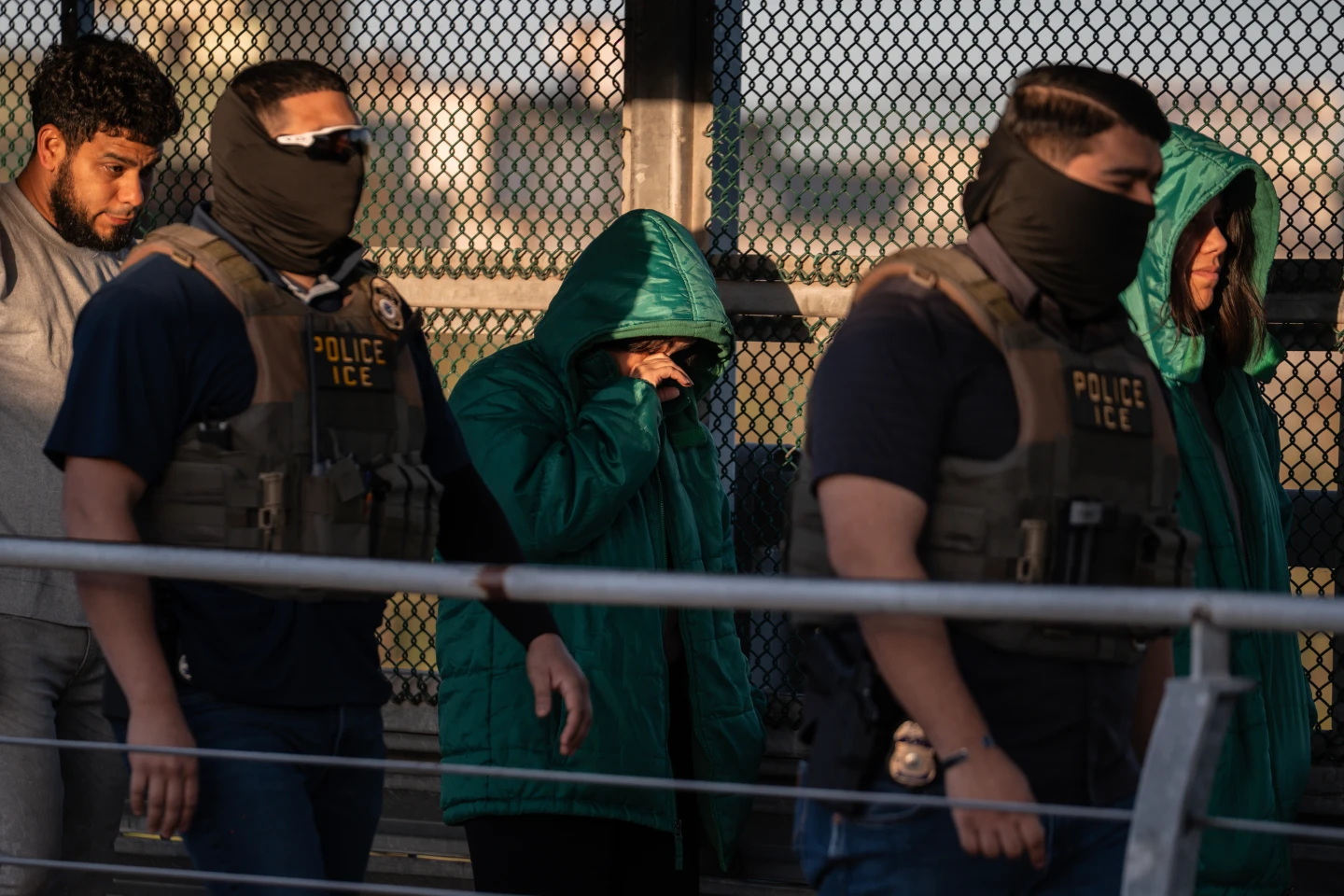
The legal arguments hinge on whether the protests in Los Angeles, which have seen over 300 arrests triggered by ice sweep operations, qualify as a rebellion, a term the Trump administration has used to justify troop deployments. California asserts that the protests have not reached a level warranting such federal intervention.
This situation continues to unfold, reflecting deepening divisions between state and federal authorities in the context of immigration enforcement and public safety.
California Governor Gavin Newsom and local leaders quickly condemned the deployment, asserting it was unwarranted and provocative. The appeals court has announced a hearing set for Tuesday, as tensions continue to rise.
In his earlier ruling, Judge Charles Breyer emphasized the importance of adhering to Congressional laws regarding the deployment of National Guard forces. He lambasted Trump's actions as unconstitutional and stressed that the military should not patrol city streets. "His actions were illegal…and he must therefore return control of the California National Guard," the judge decreed.
In a response to the court’s ruling, Newsom articulated on social media that the military should be reserved for battlefields rather than urban centers like Los Angeles. The Trump administration, however, indicated its stance on deploying troops to restore order and support Immigration and Customs Enforcement (ICE) agents.
Further complicating the matter, Secretary of Defense Pete Hegseth dodged questions about compliance with the lower court's ruling while asserting that local judges should not dictate national security policies.
The legal arguments hinge on whether the protests in Los Angeles, which have seen over 300 arrests triggered by ice sweep operations, qualify as a rebellion, a term the Trump administration has used to justify troop deployments. California asserts that the protests have not reached a level warranting such federal intervention.
This situation continues to unfold, reflecting deepening divisions between state and federal authorities in the context of immigration enforcement and public safety.