In brief
The second season of Fallout has arrived on Prime Video, continuing its trend as a successful adaptation of the beloved video game series. This success has revitalized interest in Bethesda's games, drawing back lapsed players and enticing new ones. Key figures from the game development side highlight the collaboration behind the show's authenticity, as they discuss its influence on future game releases and the evolving relationship between gaming and television.
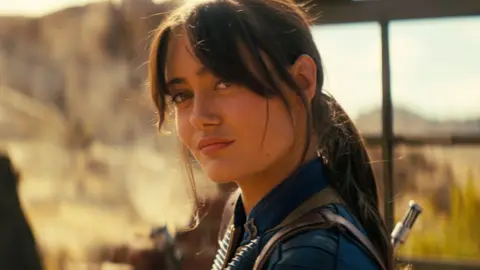
The second season of Fallout - Prime Video's mega-hit based on the popular video game series - has landed.Set in a post-apocalyptic future where Earth has been ravaged by nuclear war, the first series was a commercial and critical hit, impressing long-time fans and viewers who'd never played before.Its surprising success had a huge impact on Bethesda Softworks, the developer of its source material, bringing back lapsed players and creating new ones along the way.Key creatives from the company have told BBC Newsbeat about working with the show's producers and what the success of the program means for the future of the games.The first season of Fallout arrived at a turning point for Hollywood video game adaptations.Often far-removed from their source material and typically low-quality, they'd gained a reputation as cash grabs. Then The Last of Us came along.The 2023 adaptation of the PlayStation blockbuster impressed fans of the games and won over critics and viewers alike.However, while The Last of Us followed a linear storyline closely aligned with the game, Fallout opted for a different approach, tapping into a more freeform world with branching narratives.Todd Howard, director of developer Bethesda Game Studios, recalls that he was first approached about a filmed version of the game in 2009.Howard felt comfortable with the idea after meeting executive producer Jonathan Nolan, a fan of Fallout.Pagliarulo, a long-time Bethesda veteran, emphasized the importance of keeping the TV show canon, meaning everything happening in the show is aligned with the game lore.As Fallout's first season dropped, game prices were reduced, leading to a spike in sales across the series, particularly for Fallout 76, which had struggled initially but gained a strong player base after the show's release.With game makers becoming directly involved in adaptations, the lines between storytelling in games and television continue to blur, paving the way for potential mutual influence in the future.}