In brief
In Ireland, where drinking is tied to social tradition, young people's attitudes towards alcohol remain complex. Despite the implementation of strong alcohol warning labels mandated by law in 2023, the government's delay in their compulsory introduction until 2028 raises concerns. Insights from locals reveal varying perceptions of these labels and their potential impact on drinking habits, with many questioning their effectiveness.
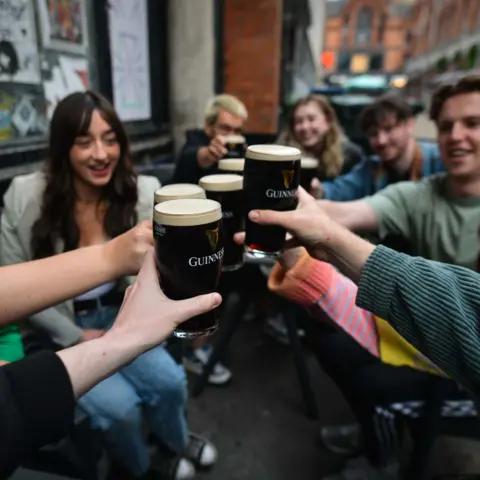
In Ireland, drinking is more than just a pastime; it's an integral part of the culture entwined deeply in social activities. Whether celebrating a birthday or simply enjoying a night out, alcohol is often at the center of Irish social life. According to young adults like Jack, social norms dictate that having a few pints is a casual part of life. As he mentions, a heavy night, casually, would be like six-plus pints.
Jack’s experience echoes a broader trend among young people in Ireland, who generally begin drinking around ages 14 to 15. With alcohol brands like Guinness and Jameson being significant parts of national identity, the links between socializing and drinking seem almost inseparable.
Yet, the Irish government is trying to confront the alcohol consumption issue with new health warning labels mandated by a 2023 law. These labels, which inform consumers about the risks of liver disease and cancer associated with drinking, are already seen on products in stores, though their full implementation has been delayed until 2028 amid trade concerns.
Public health advocates worry about this delay, arguing that the ongoing ties between alcohol and socializing make changing drinking habits in Ireland a daunting challenge. Amanda, a 23-year-old, expressed skepticism about the labels’ effectiveness. You look at it and you're like, 'Oh, I just drank that. Should I drink another one?' But I just don't think people care, she commented.
Research indicates that alcohol consumption, although having decreased significantly over the last 25 years, has risen in particular demographics. For instance, among 15-24-year-olds, those reporting regular binge drinking have surged from 66% to 75% within just a few years.
Meanwhile, young people like Sean, who feel that socializing in Dublin often forces them to partake in drinking, expressed ambivalence about the new warning labels. He remarked that while many are aware of the dangers of alcohol, the familiar tradition makes it harder to resist.
Despite this, some young adults are finding ways to embrace sobriety or limit their intake. Individuals like Mark opt for alternatives, finding the costs associated with drinking prohibitive. As they participate in social settings, these young people are helping to reshape the narrative around drinking culture in Ireland.
As lawmakers assess the effectiveness of these warning labels and address public health concerns, only time will tell if they can alter the deeply ingrained drinking habits or if they'll merely serve as an afterthought.