In brief
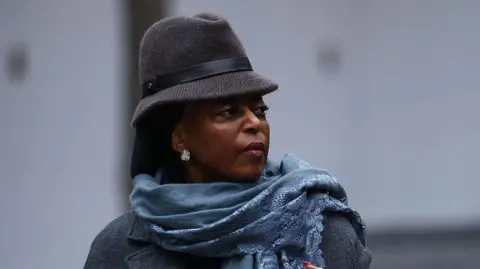
Diezani Alison‑Madueke, who served as Nigeria’s oil minister and was president of OPEC, was acquitted on five counts of accepting bribes and one charge of conspiracy to commit bribery after a nine‑month trial at Southwark Crown Court. The prosecution alleged that the former minister used luxury stays and extravagant gifts paid by oil executives. Her defence argued that key evidence was lost, the delay in the trial was unjust, and the National Crime Agency failed to extradite the accused businessmen. The jury also cleared her older brother Archbishop Doye Agama, and executive Olatimbo Ayinde, who was an informant for Nigerian authorities. The judge announced that the verdict ended a decade of scrutiny that the former minister described as a nightmare.
A former Nigerian oil minister has been cleared of taking bribes from wealthy oil executives in the form of luxury home stays and lavish spending sprees in the UK.
Diezani Alison‑Madueke, 65, was found not guilty after a trial at London's Southwark Crown Court of five counts of accepting bribes and a charge of conspiracy to commit bribery.
Alison‑Madueke was Nigeria's oil minister between 2010 and 2015 and the first female president of the oil exporters group OPEC.
The verdict is a blow for the UK's National Crime Agency (NCA), which had been investigating one of Africa's most prominent political figures for 13 years.
From the start of the trial in January, defence lawyers questioned the fairness of the prosecution's case, suggesting vital documents showing Alison‑Madueke's innocence had gone missing in Nigeria.
They also said the long delay in bringing the case to court was unjust and a sign of Britain's "broken criminal justice system".
Also cleared by the jury were Alison‑Madueke's older brother Doye Agama, 69, an archbishop at a Pentecostal church in Manchester, who was acquitted of conspiracy to commit bribery.
Oil industry executive Olatimbo Ayinde, 54, was found not guilty of bribery and bribery of a foreign public official.
She had faced prosecution despite being an informant in an anti‑corruption probe by the Nigerian authorities.
Prosecutor Alexandra Healy KC said the former minister improperly allowed powerful men with lucrative government contracts in the oil business to bankroll her extravagant lifestyle.
Six of them were named on the indictment, although none were charged.
But the prosecution failed to provide evidence she awarded contracts to any of the oil tycoons named because of bribes.
"At no time did I ask, take, or seek a bribe or bribes of any sort," Alison‑Madueke told the court, saying many of the luxury items purchased were not for her, and that she had been with the oil men to offer advice on interior design in their own properties.
Alison‑Madueke told the court that Nigerian ministers were not allowed to hold foreign bank accounts when on service overseas, and her department's office in London was in such disarray that she relied on wealthy businessmen funding her living expenses.
She said they were always reimbursed in Nigeria and evidence proving this had been seized from her home in Abuja but never produced by the authorities there.
Former Nigerian president Goodluck Jonathan, who had appointed Alison‑Madueke, did not appear as a witness. But he provided a statement in which he said third parties would often pay for transport, accommodation and other items for ministers on official overseas business.
Questions raised by the case: The defence claimed the investigation had been compromised from the start because the NCA was denied access to the search of Alison‑Madueke's Abuja home in 2015.
The defence case of Olatimbo Ayinde, the oil industry executive who was also found not guilty by the jury, was she had been working as an informant for the Nigerian authorities to expose corruption.
Ayinde, a Nigerian businesswoman with British citizenship, said she had been encouraged by the west African country's security services to "play along" with those in government who were asking her for bribes.
In a statement after the verdict, Alison‑Madueke said her "nightmare is over".