In brief
With girls over 12 banned from secondary schools for four years, Afghan girls like Amina are resorting to madrasas for basic education, but face ideological concerns and limited academic opportunities.
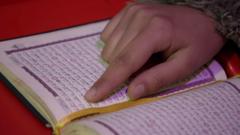
In Afghanistan, the education landscape has shifted dramatically since the Taliban regained power in 2021, upending the futures of countless young girls. The new academic year opened with a stark reality: girls over the age of 12 are still prohibited from attending schools, marking the fourth year of this educational ban. For many, including 15-year-old Amina, who dreams of becoming a doctor, this restriction has been devastating, shattering hopes and aspirations.Amina, who suffered from a serious heart condition, was inspired by her female surgeon to pursue a medical career. Yet the Taliban's imposition of educational restrictions since their takeover has denied her and over a million girls, as reported by Unicef, the opportunity to realize their dreams. With no pathways to formal education, madrasas, which were once considered informal religious centers focusing on Islamic teachings, have emerged as the only available option for many young women and girls.While some families can afford private tuition that includes subjects such as maths and science, the madrassas—though seen by some as a form of education—have drawn criticism for potentially promoting extremist ideologies. Amina currently studies at Al-Hadith madrassa in Kabul, established by her brother Hamid in response to the school closures. He aims to provide a blend of religious and academic education, which he believes can help restore a sense of normalcy for his sister.Afghanistan remains unique in its ban on secondary and higher education for women. The Taliban initially suggested the closures would be temporary but have made no significant moves to reopen schools. Reports from the Afghanistan Centre for Human Rights raise alarm over the content being taught at madrassas, suggesting that extremist ideas have been woven into the curriculum.Amina's story illustrates a profound struggle against the backdrop of systemic gender discrimination. Graduates from mosques and informal education facilities like the Shaikh Abdul Qadr Jilani madrassa are seen grappling with their limited prospects. Academically, madrassas have begun introducing subjects beyond religious education, but they do not substitute for formal schooling.With ongoing restrictions, the hope for reform remains frail. UN officials, including human rights rapporteur Richard Bennett, have stressed the need for broader educational opportunities for girls. As Amina continues her studies, she remains hopeful that the Taliban will eventually allow girls' schools to reopen, holding onto the dream of one day becoming a heart surgeon. “I will realize my dream,” she insists, defying the oppressive environment surrounding her education.