In brief
Israeli forces hit southern Lebanon twice, killing eleven civilians. The first strike on Ansar’s outskirts killed seven people, among them three children and two women, while the second raid on Deir al-Zahrani killed four. Lebanese officials condemn the attacks as civilian massacres, saying the strikes were not military targets. Israel cites the loss of a high‑ranking Hezbollah commander as justification, but the use of human shields has drawn international criticism. The incidents come amid a fragile ceasefire framework that has been strained by ongoing hostilities.
Israeli airstrikes on the outskirts of Ansar and the town of Deir al‑Zahrani in southern Lebanon have killed a total of eleven civilians, authorities say, marking the worst day of attacks since the June cease‑fire agreement.
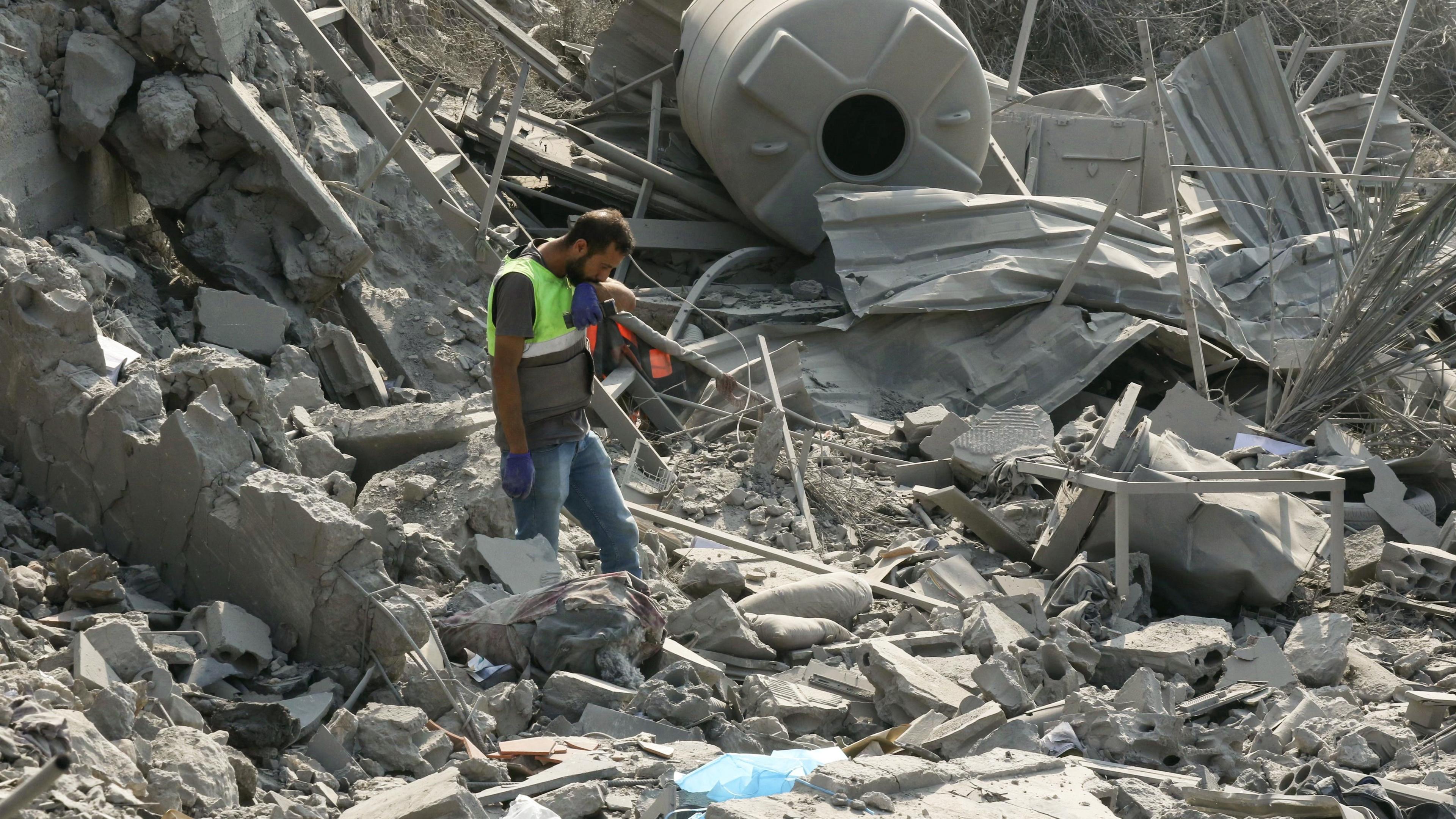
The first raid struck a house 70km south of Beirut early on Sunday. Lebanese Prime Minister Nawaf Salam said the strike killed seven people, including three children and two women, and was not a military target. The damage was visible as dust plumes rose over Ansar’s streets where displaced families had been living.
Israel’s Defence Forces (IDF) said it had killed Ali Samir al‑Haj Hassan, a commander of Hezbollah’s Radwan Force, after a prior attack on Israeli soldiers. The IDF added that an earlier strike on the strategically positioned Ali al‑Taher Ridge had also eliminated several Hezbollah “terrorists.” Israel maintains the hit was aimed at a lawful target and that the commander used civilians as human shields.
The Israeli Prime Minister’s office confirmed the strike was a response to an attack that seriously wounded three IDF soldiers, stating Hezbollah had ordered the assault from inside a military compound that had been used by civilians.
Lebanon’s President Joseph Aoun condemned the strikes, arguing that the attacks had “repeated violations” of the cease‑fire framework and had delivered a “clear message” to U.S.–led negotiations. Hezbollah dismissed Israel’s claims as false.
The latest strikes come three months after the war began on 2 March, when Hezbollah fired rockets into Israel following an airstrike that killed Iran’s Supreme Leader. Israel has been bombing Lebanon’s south and occupies roughly 5% of Lebanese territory, while the cease‑fire calls for a gradual Israeli withdrawal and Hezbollah disarmament.
Negotiations are scheduled to resume in September, though a final date has not yet been set. The continued violence threatens the fragile stability and the lives of civilians caught in the crossfire.