In brief
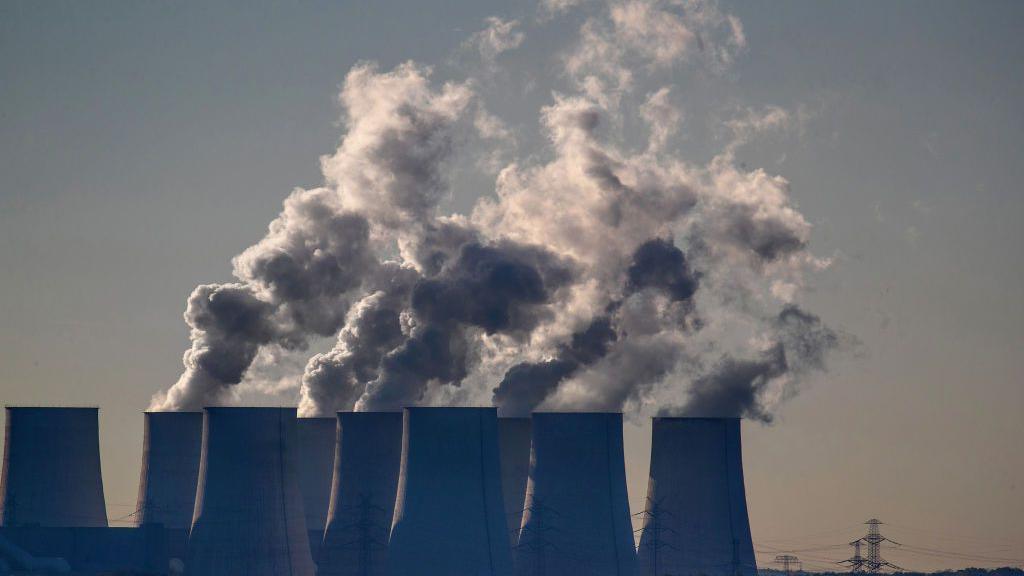
The European Union has introduced proposals to slow the reduction of greenhouse‑gas limits for industries under its Emissions Trading System (ETS). Businesses would have more time—with allowance caps lowered at a slower rate—and could retain free permits until 2038 if they invest in decarbonisation. The move loosens rules that many countries, such as Italy, have criticised for driving up energy costs. Polish officials say they will push for further softening, whereas German MEPs warn it risks legitimising climate damage for future generations.
In a major climate policy overhaul, the European Union has unveiled proposals aimed at easing the tightening of its emissions‑trading system (ETS). Instead of the earlier 2034 deadline for ending free carbon allowances, the new plan would extend this to 2038 if firms commit to decarbonisation investments.
The reform also proposes a reduced pace for cutting the overall cap on emissions. From 2031 the cap would fall by approximately 3.7% each year, dropping to 1.7% from 2036—an easing from the current 4.3% rate.
The Commission stresses that the changes will keep the ETS in line with the EU’s target to slash emissions by 90% by 2040 compared with 1990 levels. They argue it balances industrial competitiveness with environmental ambition.
The proposals are under scrutiny from member states. Italy has long decried the ETS as a tax that keeps energy prices high, while Poland’s climate minister says the EU is displaying a “softening” stance but that Poland will push to weaken the scheme further. A German MEP warned that the policy adjustments could worsen climate outcomes for future generations.
The broader context is a Europe that is heating rapidly. A line graph shows temperature rises across the continent since 1946, with Europe's heat climbs outpacing all other regions. In 2026, several Central and Eastern European countries recorded June temperatures above 40ºC, underscoring the urgency of climate action.