In brief
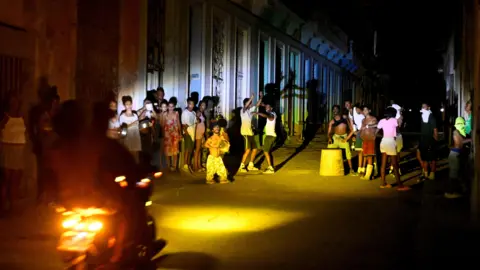
Cuba is reeling from a nationwide blackout affecting over 10 million individuals after the national electrical grid collapsed for the second time in a week. The energy ministry confirmed total disconnection of the National Electrical System, with protocols for restoration underway. The island faces ongoing power crises exacerbated by a fuel blockade. Protests have erupted in response to the power cuts, with residents expressing dissent against the government's handling of the situation.
More than 10 million people have had power cut to their homes and businesses across Cuba after the country's national electrical grid collapsed for the second time in a week.
Cuba's energy ministry stated a total disconnection of the National Electrical System has occurred in a social media announcement. Restoration protocols are already being implemented, focusing on crucial facilities, including hospitals.
The Caribbean nation has experienced significant blackouts, exacerbated by a U.S. fuel blockade limiting essential oil imports necessary to operate power stations.
Cuba, with an aging electrical infrastructure and chronic fuel shortages, suffered three major blackouts this month alone.
A coalition of international socialist groups arrived in Havana over the weekend, offering support through donations of solar panels, food kits, and medicines. The aid's arrival was initially delayed due to rough sea conditions but is expected soon.
Public dissent has emerged, with residents in Havana banging pots and pans in protest and reports of protests in other cities, including an attack on the Communist Party headquarters in Morón.
Demonstrations are illegal in Cuba, with participants facing potential imprisonment.
In recent context, statements from U.S. officials have suggested a desire for regime change in Cuba, while initial discussions between the U.S. and Cuban governments regarding the energy crisis have surfaced, although the details remain murky.