In brief
Marineland Antibes' closure raises questions about the proper care and treatment of captive orcas as proposals clash over their relocation.
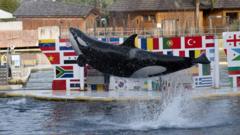
The closure of Marineland Antibes, a prominent marine zoo in France, has left the fate of two orca whales, Wikie and her son Keijo, in turmoil. With new animal welfare laws coming into effect, which prohibit the keeping of dolphins and whales for public entertainment, the zoo, favored by tourists until now, announced it would permanently shut its doors on January 5. This leaves the whales' future uncertain after the French government blocked a proposed transfer to a marine zoo in Japan, citing concerns over welfare standards and the stress of long-distance travel for the whales.Managers argue that shows featuring killer whales and dolphins drew 90% of Marineland's visitors, making it financially unsustainable. They are facing pushback from animal welfare campaigners advocating for the orcas to be moved to a sanctuary rather than private marine parks. Experts warn that releasing Wikie and Keijo into the wild is not feasible as they were born in captivity and lack the necessary skills to survive. Marine biologist Hanne Strager compared it to sending a domesticated dog into the woods, emphasizing the deep bonds these animals have formed with humans through care and training.Campaigners are urging the French government to consider a sanctuary off the coast of Nova Scotia, a proposal supported by the Whale Sanctuary Project (WSP). This facility would provide a controlled bay environment where echolocating could continue along with veterinary support. They believe that life in a sanctuary would offer a semblance of the natural freedom the orcas have never experienced while still ensuring their well-being.However, not all proposed destinations are seen favorably. Some activists warn against relocating the orcas to facilities that would likely continue to exploit them for entertainment, such as Loro Parque in the Canary Islands. Reports of orca deaths in similar environments raise fears that moving the orcas from one cage to another might constitute a legal but morally objectionable solution.The impending relocation of over 4,000 animals from Marineland is a critical moment in a broader campaign aimed at closing marine zoos, characterized by mounting public criticism since the 2013 release of the documentary *Blackfish*. In recent years, the struggle for improved animal rights and welfare gained traction, bolstered by high-profile figures like Pamela Anderson, who protested Marineland for its treatment of animals. As the situation unfolds, experts like Strager voice concern over the unknown impacts of freedom on creatures accustomed to captivity, highlighting the complexity and ethical challenges of finding a solution for Wikie and Keijo. The upcoming decisions will echo in the ongoing discourse about marine life, captivity, and the ethical obligations humanity holds towards these intelligent beings.