In brief
Flags set at half‑mast, security vehicles parked in central Beijing and a low‑key cremation at Babaoshan Cemetery marked the funeral of former Premier Zhu Rongji. The State Security Bureau shut down online posts praising his era, echoing past censorship after Zhou Enlai and Hu Yaobang. President Xi Jinping and senior officials attended in silence, while no footage was released. The event underscores the party’s unease that public grief might stir criticism of its current authoritarian narrative. The funeral has sparked nostalgia for a time when China’s rapid reforms promised a brighter future, a sentiment now under tight control.
China Silences Mourning as Premier Zhu Rongji’s Funeral Unfolds
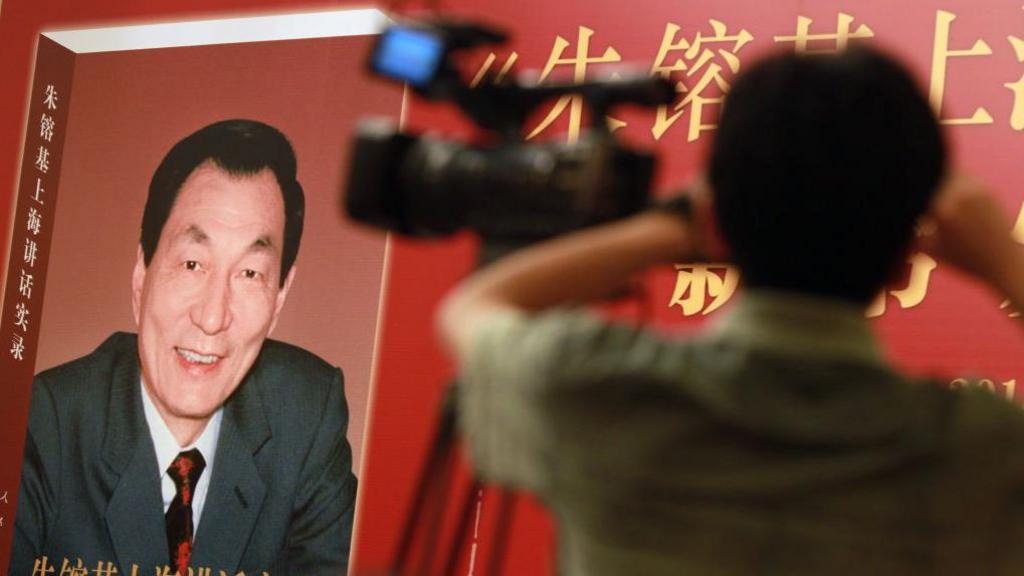
Flags at government sites are flying at half‑mast and security vehicles are parked in the heart of Beijing, as China mourns former Premier Zhu Rongji.
Zhu died of an illness last week at 97 and was cremated at a funeral in Beijing on Tuesday. The ceremony, attended by senior leaders including President Xi Jinping, was kept low‑key. No footage has been released.
Zhu, who served as China’s premier from 1998 to 2003, is remembered as one of the country’s most important economic reformers.
While hailing the late premier as a "loyal" party member, the Chinese state is also wary that public mourning for his era of reform can easily turn into veiled criticisms of the current government under Xi.
Xi’s Narrative
The passing of the two leaders—Zhu and Jiang Zemin—marks a definitive end to the 1990s and early 2000s reforms that focused on private entrepreneurship and wealth creation. That stands in contrast to President Xi, who has exerted greater central control and pushed a state‑driven economic policy focused on technological autonomy and strategic industries.
Censorship in the Digital Age
Online, posts about Zhu have been contained and censored—including an essay written by economist Zhao Jian that remembered his era as a time when people were "properly poor" but had a clear future ahead. Zhao’s comments were removed from WeChat the day after publication.
The party has long been fearful of public reaction to the deaths of senior officials and public figures. The deaths of former premier Zhou Enlai in 1976 and former CCP general secretary Hu Yaobang in 1989 prompted widespread outpourings of grief that morphed into protests.
Nostalgia for a Bygone Era
The death of Zhu and Jiang, two prominent leaders from the same era, has prompted a wave of nostalgia among many Chinese people for a time when the country seemed to be moving in a different direction—when it appeared that it may open to the world and allow more freedom for its people. However, that nostalgia is now tightly controlled, as the party works to weave the lives of Zhu and Jiang into a narrative that celebrates their contributions while discouraging alternative viewpoints.
Experts like Kerry Brown suggest that Xi is committed to “the great renaissance of the Chinese nation,” and stresses that any idea suggesting an alternative future path will not be allowed a public airing. This mirrors the current tight management of public mourning and commentary in China’s political climate.