In brief
The case surrounding the killing of conservative activist Charlie Kirk has triggered a legal showdown, as defense attorneys for the accused shooter, Tyler Robinson, request a gag order on media coverage of the trial. They argue that graphic videos and extensive media attention could bias jurors, while prosecutors and Kirk's widow advocate for maintaining transparency during proceedings. Kirk was assassinated while addressing a crowd at Utah Valley University, with significant public interest in the case leading to intense scrutiny of its judicial process.
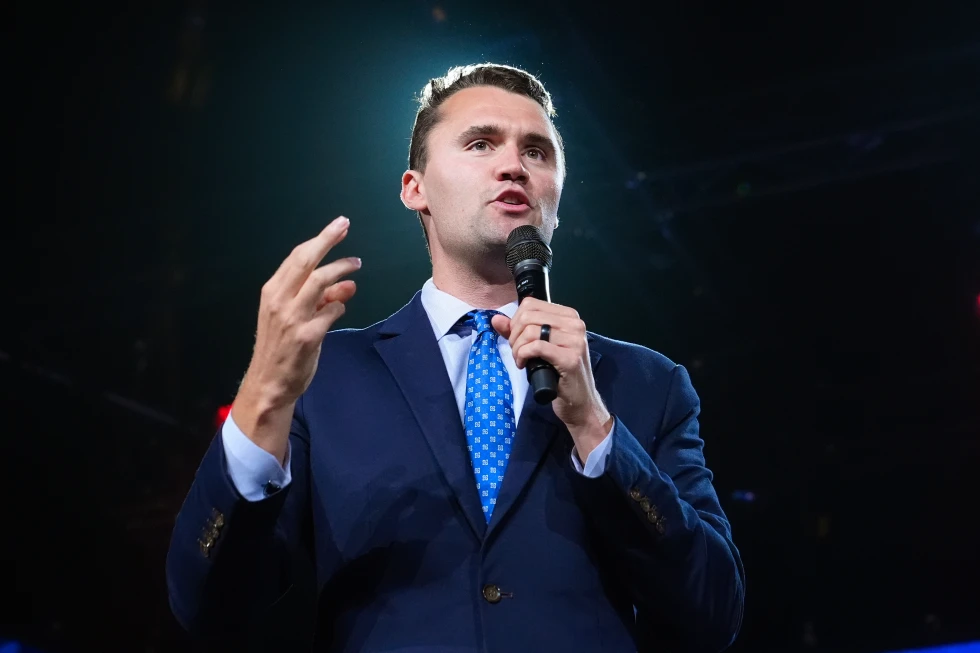
Graphic videos showing the killing of conservative activist Charlie Kirk while he spoke to a crowd on a Utah college campus quickly went viral, drawing millions of views.
Now, attorneys for the man charged in Kirk’s killing want a state judge to block such videos from being shown during a hearing scheduled for Tuesday. Defense attorneys also want to oust TV and still cameras from the courtroom, arguing that “highly biased” news outlets risk tainting the case.
Prosecutors, attorneys for news organizations, and Kirk’s widow urged state District Judge Tony Graf to keep the proceedings open.
“In the absence of transparency, speculation, misinformation, and conspiracy theories are likely to proliferate, eroding public confidence in the judicial process,” Erika Kirk’s attorney wrote in a Monday court filing. “Such an outcome serves neither the interests of justice nor those of Ms. Kirk.”
Legal experts say the defense team’s worries are real: Media coverage in high-profile cases such as Tyler Robinson’s can have a direct “biasing effect” on potential jurors, said Cornell Law School Professor Valerie Hans.
“There were videos about the killing, and pictures and analysis, and the entire saga of how this particular defendant came to turn himself in,” said Hans, a leading expert on the jury system. “When jurors come to a trial with this kind of background information from the media, it shapes how they see the evidence that is presented in the courtroom.”
Prosecutors intend to seek the death penalty for Robinson, 22, who is charged with aggravated murder in the Sept. 10 shooting of Kirk on the Utah Valley University campus in Orem. An estimated 3,000 people attended the outdoor rally to hear Kirk, a co-founder of Turning Point USA, who helped mobilize young people to vote for President Donald Trump.
To secure a death sentence in Utah, prosecutors must demonstrate aggravating circumstances, such as that the crime was especially heinous or atrocious. That’s where the graphic videos could come into play.
Watching those videos might make people think, “‘Yeah, this was especially heinous, atrocious or cruel,’” Hans said. Further complicating efforts to ensure a fair trial is the political rhetoric swirling around Kirk, stemming from the role his organization played in Trump’s 2024 election.
Defendants have intensified concerns about potential juror bias, with discussions of media coverage influencing public perception. Defense attorneys claim that the media's portrayal of events could lead to prejudgment of the case and impact jurors' ability to remain impartial.
Prosecutors acknowledged the intense public interest surrounding the case but said that does not permit the court to compromise on openness. They argued that the preservation of transparency is essential, regardless of the heightened scrutiny of the case and its political ramifications.
“This case arose, and will remain, in the public eye. That reality favors greater transparency of case proceedings, not less,” Utah County prosecutors wrote in a court filing.