In brief
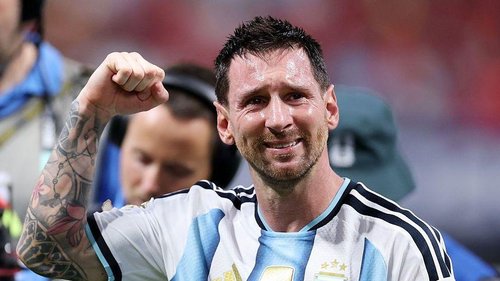
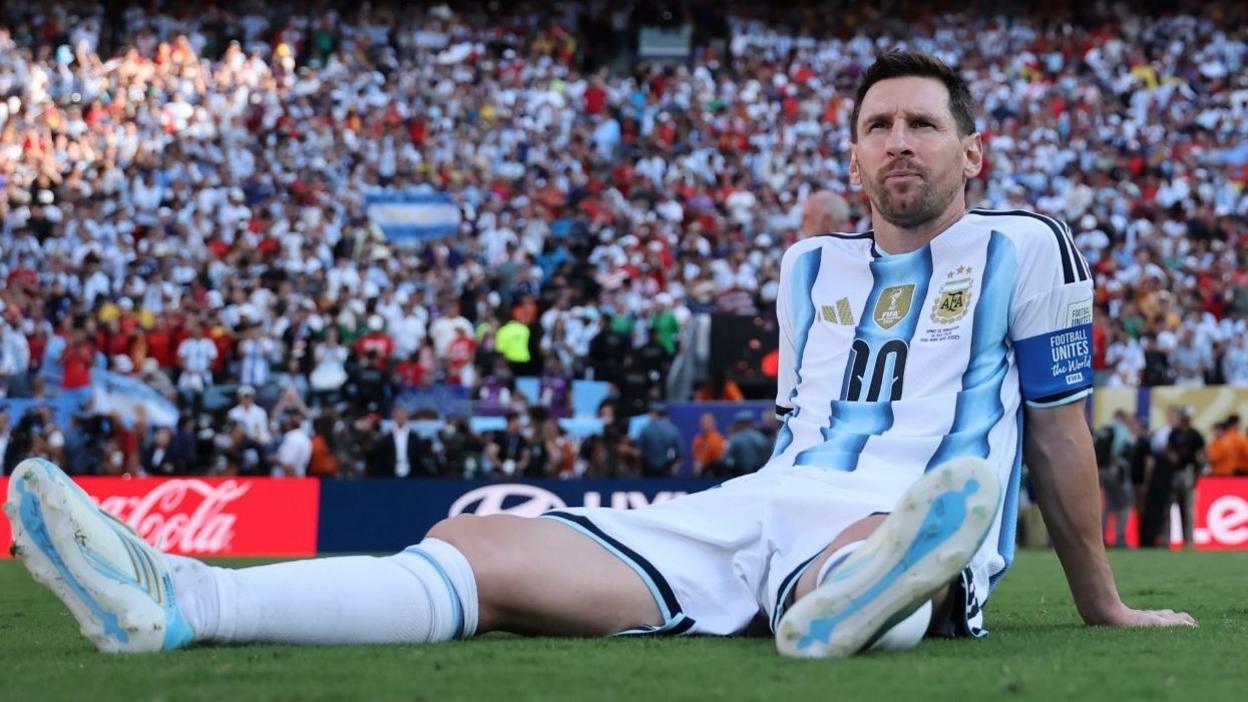
Lionel Messi has officially ended his Argentina career, saying he no longer has "nothing left to give". The 39‑year‑old, who led Argentina to the 2022 World Cup triumph, scored 125 goals in 207 games, making him the nation’s top scorer. He announced the decision following the June 2026 final loss to Spain and the recent passing of his father, Jorge. Messi will continue playing for Inter Miami until the 2028 season, but he has said the young Argentine talent deserves the spotlight. The football world reacts with tributes and a reflection on his unprecedented legacy.
Messi’s retirement announcement came late this evening, with the Argentina captain calling it a decision that "hurts" but is inevitable.
The 39‑year‑old, who captained Argentina to World Cup glory in Qatar in 2022, has scored 125 goals in 207 appearances, making him the country’s all‑time leading scorer and most capped player. He said he has "given everything" to the national side but now has "nothing left to give".
"Time is running short, chapters come to a close, and this is one that hurts me deeply. I love, have loved, and will always love being part of the national team, but I've given it my all, have nothing left to give, and there are young players who deserve their chance," Messi wrote.
Several factors influenced the decision. In early August, Messi reflected on his future in football after the death of his father, Jorge, who passed away at 68 after a long illness. Two days later, after Argentina's 1–0 defeat to Spain in the 2026 World Cup final, Messi penned his retirement message on July 21.
He will continue at the club level with Major League Soccer side Inter Miami, where his contract runs until the end of the 2028 season. The forward said he feels "peace of mind and pride" having shared the national team’s memorable moments.
Messi’s international career began in 2005 as a substitute in a friendly win over Hungary. Despite a rough start—receiving a straight red card in that first match—he grew into one of the greatest footballers ever.
The football community worldwide has reacted with tribute posts, alerts, and tearful messages. Fans and former teammates have posted invoking the phrase: "Messi, you made us proud. Thank you for all the love."
Analysis from reporters shows the decision reflects both personal grief and the emotional weight of a final loss, echoing the idea that “only one winner in the race between athlete and time.”