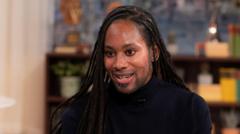
In brief
Former University of Cambridge sociology professor Jason Arday, 41, has been found dead in a Battersea residence after a week of resigning from his position amid plagiarism allegations. The Metropolitan Police say the death was unexpected but not suspected to be foul play. University of Cambridge and government officials released statements offering condolences and noting the stress surrounding the controversy. The case highlights a broader debate over academic scrutiny and the media’s role in amplifying reputational damage.
Former Cambridge professor Jason Arday dies after plagiarism row
Jason Arday, the former University of Cambridge professor of sociology of education, was found dead in his Battersea home on Friday afternoon. Emergency services described him as unresponsive when they arrived at the address.
Arday resigned last week after a series of plagiarism accusations surfaced, led by colleague Nathan Cofnas. He had denied the claims but acknowledged some errors in early work, attributing them to his autism.
Police say the death is unexpected but not believed to be suspicious. The Metropolitan Police issued a statement confirming the circumstances and emphasising the lack of foul play.
University officials reacted swiftly. Vice‑chancellor Prof Deborah Prentice expressed deep sadness, offering sympathy to Arday’s family. Education Secretary Lucy Powell called the tragedy “deeply shocked” and urged the public to remember the human aspect of the situation.
Arday was Cambridge’s youngest black professor, appointed at age 37 in 2023—a milestone celebrated as a step toward diversity in academia. The university had previously commissioned independent investigations into his appointment and the plagiarism claims, with the Liverpool John Moores University (LJMU) later concluding that accusations were unfounded.
Former employers and colleagues described Arday as a gentle, supportive figure who had been heavily scrutinised after the allegations. Durham University’s statement read that he was “a kind and warm person” who raised opportunities for graduate students.
Arday had published a memoir, “Great And Unfortunate Things,” released in the U.S. last week, detailing his journey from a non‑verbal child to a prominent academic. The book had been scheduled for a UK release on 27 August.
The death of Arday raises questions about the intensity of media coverage on academic controversies and the responsibilities of institutions in safeguarding scholars. Commentary from groups such as the Good Law Project and university faculty reflected on the need for careful risk assessment and the impact of sustained public scrutiny.