In brief
Austria has announced a proposal to ban social media access for children under 14, joining other European countries in addressing the potential harms of digital platforms. This decision follows extensive discussions within the government aimed at protecting young people from addiction and harmful content on social media. Vice-Chancellor Andreas Babler emphasized the need for regulation in the digital realm similar to that of alcohol and tobacco. The details of the implementation are yet to be finalized, and the proposed ban has garnered mixed reactions from the public and political figures.
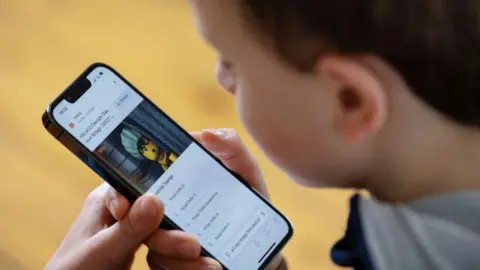
Austria has announced plans to ban social media for children aged under 14, becoming the latest country to consider introducing restrictions for children online.
It follows lengthy negotiations within the conservative-led three-party coalition government, but it is not yet clear how or when the ban will be implemented.
Announcing the plans, Vice-Chancellor Andreas Babler of the Social Democrats said the government could not stand by and watch as social media made children addicted and also often ill.
He said it was the responsibility of politicians to protect children and argued that the issue should be treated no different to alcohol or tobacco: There must be clear rules in the digital world too.
In future, said Babler, children under 14 would be protected from algorithms that were addictive. Other information providers have clear rules to protect young people from harmful content, he added, stating these should now be implemented in the digital space.
Austria's move adds to a growing list of countries considering restrictions on social media access for children. Recent discussions in the US have highlighted similar concerns, resulting in jury findings against tech companies for intentionally crafting addictive content.
Australia recently introduced a ban for under-16s, and France's lower house approved a ban for those under 15. Other nations such as the UK, Denmark, Spain, and Greece are also exploring similar legislation.
Austrian Education Minister Christoph Wiederkehr stressed the harmful nature of social media, calling for individuals to learn responsible usage. The state secretary for digitalization, Alexander Pröll, has indicated a draft bill codifying the ban will be presented by the end of June, ensuring mechanisms are in place for age verification on social media platforms.
While the proposal has drawn criticism from political opponents who view it as an infringement on freedom of expression, public opinion appears to favor the government's efforts to regulate social media access for children.