In brief
Over 450 acres of olive fields in Sebastia have been seized by Israeli authorities under the guise of “preservation”. Palestinian landowners, particularly Abu Mudif and his neighbors, are being denied compensation and fear losing cultural ties. UN‑listed Sebastia is deemed a World Heritage in Danger, yet the Israeli plan to create a national park may fragment the village. Similar land grabs at Herodium illustrate a pattern of using archaeology to strengthen Hebrew claims while sidelining Palestinian heritage.
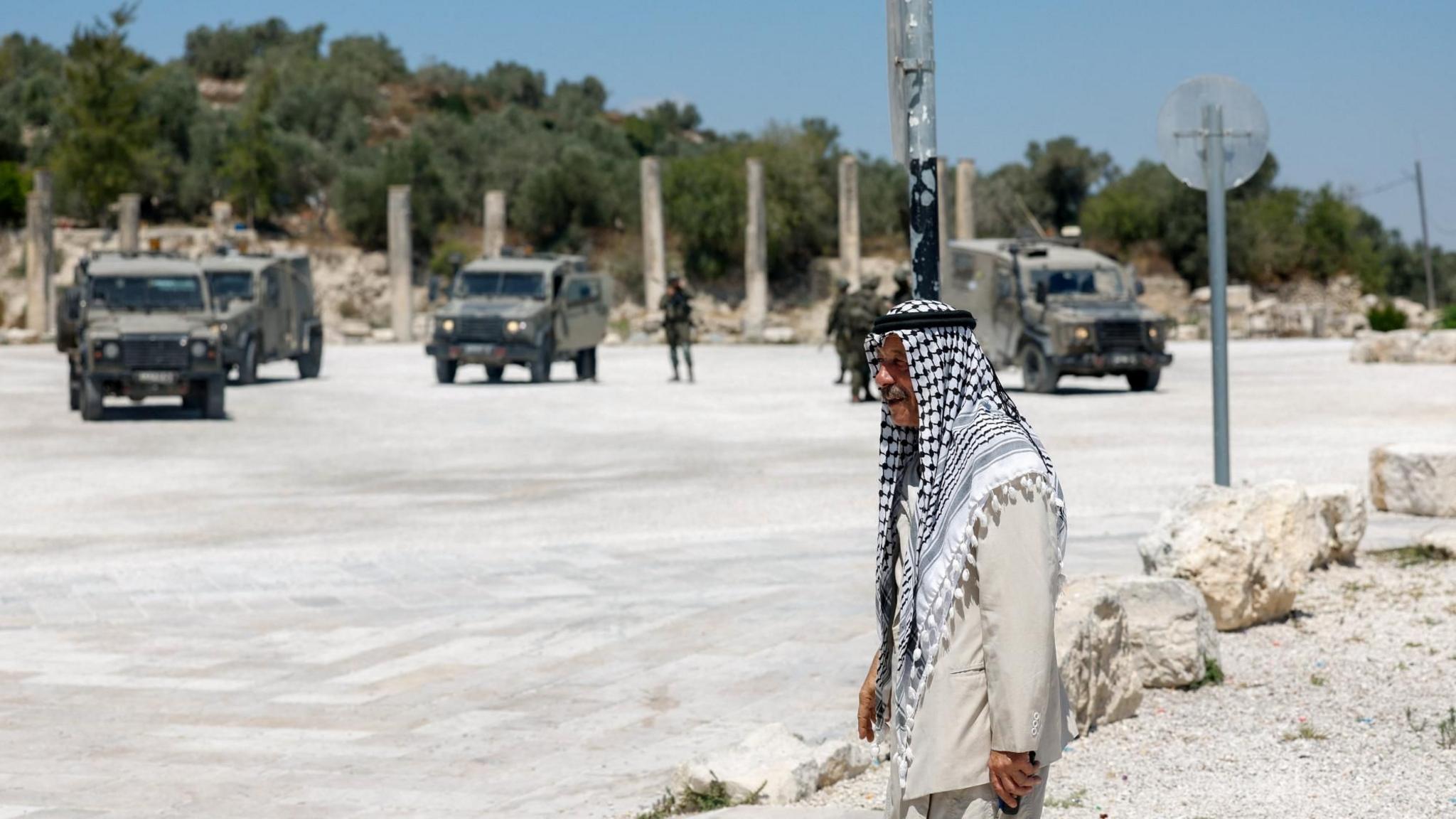
At sunrise over the Roman columns of Sebastia, olive groves stretch up the hills, cultivated for generations by Palestinian families. But Israeli authorities have begun taking 450 acres of those lands, citing the protection of a future national park. Abu Mudif, a local farmer, reports that he received a notice of expropriation. He says living on the land is crucial to his livelihood and identity: “If I wanted to describe it… it is like having your soul ripped away.”
The move reflects a broader pattern: Israeli archaeologists and officials are blurring the lines between cultural preservation and settlement. UNESCO has listed Sebastia as a World Heritage Site in Danger after scouring its historical layers from Romans to Crusaders to modern times. Yet the same UN body notes that the expropriation threatens to divide the property, turning a community heritage into a contested territory.
Alon Arad, head of the Israeli activist group Emek Shaveh, warns that “archaeology is being used to rewrite history and to reallocate Palestinian lands to Israeli control”. He points to a new bill that, if passed, would transfer control of archaeological sites to the Israeli heritage ministry and give it sweeping powers to seize land across the West Bank. The bill passed its first reading in May but now hangs in abeyance amid upcoming elections.
An example at Herodium shows the same tactic in action: 80 acres are being appropriated for “preservation and development”, although the Israeli Supreme Court and global watchdogs argue such seizures violate international law. Sami Shmuel Browns, a guide there, says Israel feels responsible: “We must protect the archaeology, the artifacts, the history of this land.” Yet his colleagues note a right‑wing push to override Palestinian heritage at the cost of expanding Israeli settlements.
Local authorities and residents fear losing not just property but also a living connection to their ancestors’ ruins. “We must write this history together,” Alon Arad says, hoping UNESCO’s designation will rally global support for Palestinian stewardship. Meanwhile, Israeli officials, including Foreign Minister Gideon Saar, dismiss UNESCO’s move as politicising heritage to undermine historic Jewish ties.
These actions illustrate how archaeology has become a covert weapon. It is a strategy to justify land grabs, to rewrite narratives, and to reallocate Palestinian heritage for Israeli territorial gain.