In brief
The Transportation Security Administration is grappling with severe staffing shortages that could lead to airport closures across the U.S. if Congress fails to secure funding. With some airports reporting up to 40% staff absenteeism, officials are considering drastic measures, including diverting staff from smaller airports to major hubs. The situation has raised alarms regarding potential disruptions to air travel and the economic repercussions for communities reliant on smaller airports.
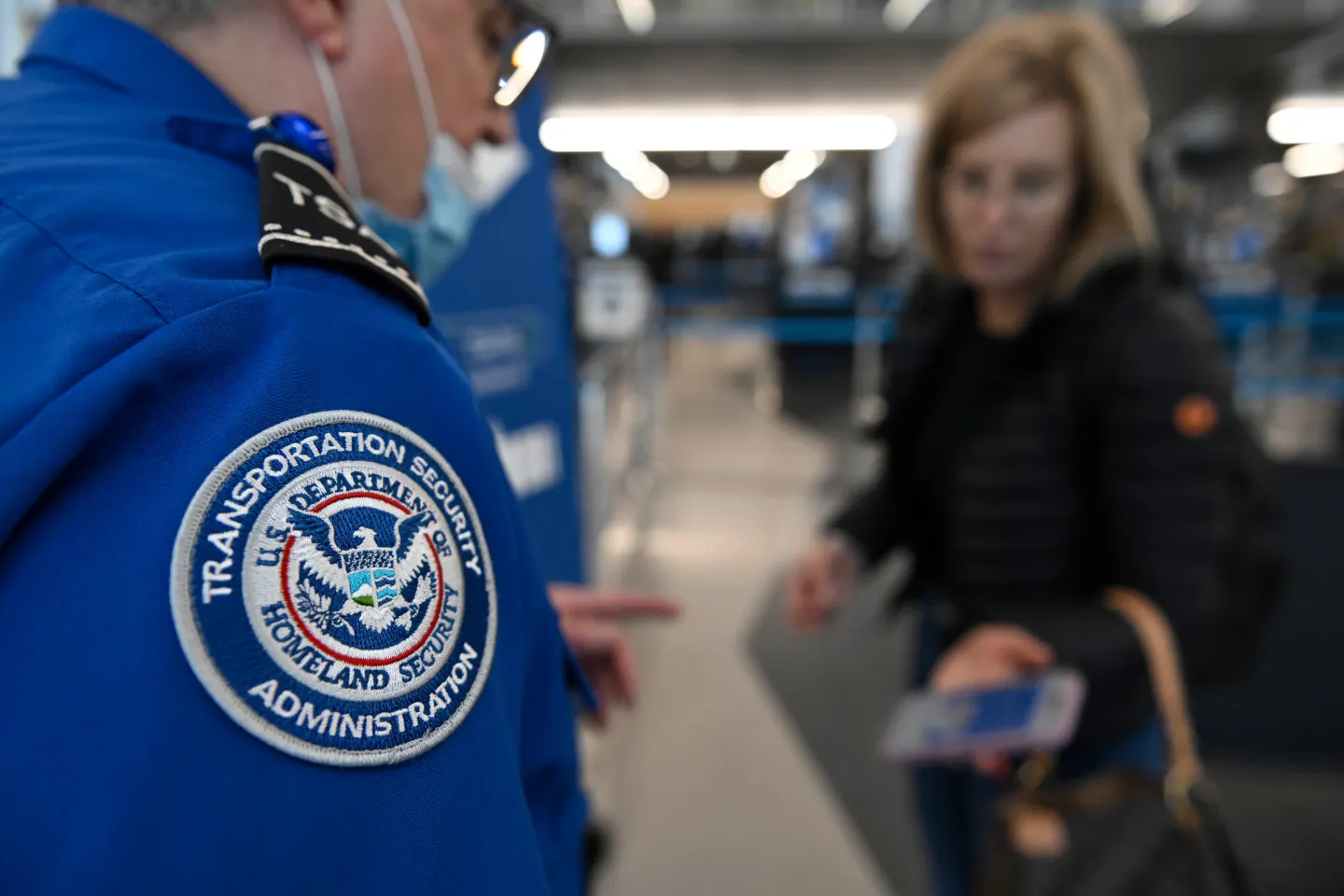
Problems at U.S. airports are intensifying as Congress struggles to find a way to fund the Transportation Security Administration (TSA). Current staffing shortages have already led to extensive security lines and delayed flights, and officials caution that if the situation continues without a resolution, smaller airports could be forced to close altogether.
No specific airports have been designated for closure yet, but Transportation Secretary Sean Duffy and TSA leaders anticipate a rise in quit rates or absences among TSA personnel after Friday, which marks the arrival of the second missed paycheck since mid-February.
Since funding for the Department of Homeland Security expired on February 14, TSA employees have been compelled to work without pay. This level of disruption is unprecedented, stated Ha Nguyen McNeill, the agency’s acting administrator. We are being forced to consolidate lanes, and may have to close smaller airports if we do not have enough officers.
During a recent House committee hearing, McNeill highlighted how fluid and unpredictable these staffing challenges are, though no timeline for any possible airport closures has been provided.
The leadership of the labor union representing TSA officers mentioned that a list of about 75 airports has already been identified as candidates for closure to manage officer distribution to busier hubs experiencing long security wait times. This could disproportionately affect smaller airports located near major ones, potentially causing significant accessibility issues for travelers.
About 11% of TSA officers across the nation missed scheduled shifts recently, with some airports experiencing absenteeism rates exceeding 40%. Massive lines have been reported at major terminals in Houston, New Orleans, and Atlanta.
As pressures mount, the White House has suggested considering a national emergency declaration to fund TSA workers, but details remain vague. Aviation security expert Sheldon Jacobson noted that these threats serve as leverage to urge Congress to act but are fraught with risks.
Identifying at-risk airports remains difficult. Smaller airports with single checkpoints may find themselves temporarily closing if they can't staff adequately, as they have limited personnel options compared to larger facilities.
The impact of closing smaller airports is anticipated to ripple through local communities, affecting businesses that depend on air travel and potentially leading to broader economic downturns. We are playing with fire right now when we are threatening such a large contributor to our GDP, Jacobson cautioned.