In brief
Misinterpretations of traditional recipes spark a cultural debate on authenticity and respect for culinary heritage.
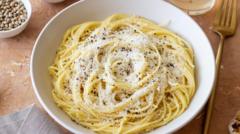
The recent publishing of a cacio e pepe recipe by the UK-based Good Food website has ignited significant backlash across Italy. The classic Roman dish, known for its simplicity yet complexity in execution, was presented as a quick lunch option, which many Italians found insulting. The article inaccurately listed four ingredients—spaghetti, black pepper, parmesan, and butter—while the traditional recipe requires only three: spaghetti, black pepper, and pecorino cheese.The outrage has led to a formal response from Italian restaurant associations, reaching out to the British embassy in Rome to address the error. Claudio Pica, president of the association, expressed disbelief that such a recipe could emerge from a recognized British food source, emphasizing that any true cacio e pepe should stick to its authentic ingredients. He stated emphatically that the addition of butter and parmesan alters the dish's identity, rendering it a variation that cannot carry the traditional name.Italian media has taken up the story, with public broadcaster RAI criticizing the culinary faux pas and lamenting the situation, especially given the historical prestige of BBC's food programming, which previously included Good Food. Many chefs and restaurateurs in Rome echoed the sentiment, highlighting the importance of culinary heritage in Italy. Giorgio Eramo, a pasta chef near St. Peter's Basilica, went so far as to call Good Food's rendition a completely different dish, more akin to 'pasta Alfredo.'Some in the culinary community argue that while experimentation with traditional recipes can be acceptable, it should not compromise the essence of the dish. Suggestions to include cream, for instance, were met with particular disdain, as Italians regard cream as inappropriate for savory dishes.While some critics believe that the reaction to the recipe may be excessive, they acknowledge the deep-rooted connection Italians have with their food traditions. One cafe worker noted, "Our tradition is based on food. If you touch the only thing that we have, it can make us feel a bit sad."Immediate Media, the owner of Good Food, has yet to respond to the growing controversy. The situation underscores the cultural importance of culinary integrity and respect for traditional recipes in Italy.