In brief
Scientists indicate that climate change is exacerbating extreme weather events, particularly highlighting the intense rainfall in Spain due to warming trends.
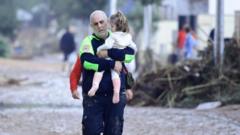
Recent severe flooding in Spain has brought to light the significant impact of climate change on extreme weather patterns. Researchers assert that while no individual weather event can be solely attributed to climate change, the phenomenon has undoubtedly intensified the recent downpours that overwhelmed parts of the country, particularly near Valencia.Dr. Friederike Otto from Imperial College London stated, “There’s no doubt about it, these explosive downpours were intensified by climate change.” She leads an international team dedicated to comprehending how rising temperatures affect weather events. According to research, the warm climate allows the atmosphere to retain more moisture, resulting in heavier rainfall.The current situation in Spain is compounded by a recurring meteorological occurrence known as "gota fría" or cold drop, which typically brings cold air into contact with the warmer waters of the Mediterranean Sea during autumn and winter. The high temperatures in the Mediterranean in recent years have created ideal conditions for this phenomenon. As the warm moist air rises, it generates large amounts of rain, which has reportedly increased by 7% for every 1°C of warming.In addition to the increased rainfall, baked soils from hotter summer temperatures have rendered the ground less capable of absorbing water. Prof. Mark Smith from the University of Leeds noted, “The increased rainfall extremes, alongside hotter summers, bake the soil, which lowers its water absorption capacity. Consequently, more water flows into rivers, amplifying the flooding effects.”There is an ongoing debate within the scientific community about whether a warmer climate contributes to slower-moving storms, potentially increasing rainfall levels. Such was the case with Storm Boris in September, which wreaked havoc across Central Europe and was reported to be twice as likely due to climate change dating back to the present warming scenarios.Despite the widespread destruction caused by the floods, the lack of effective warnings has drawn criticism, indicating that more preventive measures could have been implemented. Dr. Linda Speight from the University of Oxford explained that predicting the trajectory of fast-moving thunderstorms poses significant challenges. “While warnings can save lives by prompting evacuations, accurately forecasting the exact location of intense rainfall remains complex,” she stated.The flooding crisis in Spain has emphasized the inadequacies of current infrastructure in managing severe weather episodes, spotlighting the urgent need for modernization to withstand the realities of today's climate challenges.