In brief
Residents of el-Fasher face starvation due to a protracted siege by paramilitary fighters, with the UN’s World Food Programme highlighting a critical humanitarian situation as food deliveries remain blocked for over a year.
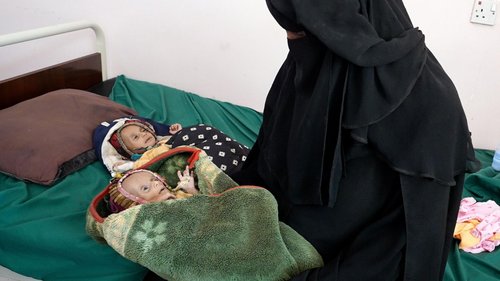
Residents of el-Fasher, a city in Sudan's western Darfur region, are facing severe starvation as warned by the United Nations’ World Food Programme (WFP). The situation has deteriorated significantly since paramilitary forces from the Rapid Support Forces (RSF) encircled the city nearly 16 months ago, effectively cutting it off from food supplies by road.As the civil war entered its third year following a violent power struggle between the army and RSF, over 300,000 people still call el-Fasher home. Local activists are reporting death by starvation, and the WFP has emphasized that food deliveries have not been possible for more than a year. In a recent statement, the WFP warned that the dire conditions in el-Fasher could lead to irreversible consequences if not addressed immediately.The humanitarian crisis is exacerbated by malnutrition crises statewide; UNICEF has indicated that children across Sudan are suffering from severe malnutrition, leading many to be "reduced to skin and bones." The North Darfur Governor, Al-Hafiz Bakhit, aligned with Sudan’s military government, has called for urgent support, stating that life in el-Fasher has become unbearable.The ongoing conflict has intensified particularly since the RSF was ousted from the capital, Khartoum, with efforts to capture el-Fasher escalating. Recent UN statistics suggest that acute malnutrition rates among children under five in internally displaced camps have soared to alarming levels, with 38% affected.The WFP noted that food prices have skyrocketed due to severe shortages, pushing desperate residents to resort to eating animal fodder and waste. The agency is poised to deliver food and nutrition assistance, pending support from RSF leaders to allow a pause in fighting. The conflict’s impact on civilians has led to more than a million fleeing el-Fasher since it began, with reports of horrific experiences as people attempt to escape bombing and violence. While some humanitarian access has resumed in central regions, the upcoming rainy season threatens fragile recovery efforts.Concerns for the future are growing, as resources dwindle following notable cuts in international aid. UNICEF's Sheldon Yett emphasized the need for urgent action, highlighting that the tools to save children exist, but a collective failure to act urgently could lead to long-lasting devastation for an entire generation. The calls for a humanitarian truce remain crucial as the world watches the unfolding crisis.