In brief
An international research team uncovered mineralized red blood cells and hemoglobin‑derived proteins in a 115‑million‑year‑old dinosaur from northeastern Brazil, a discovery that challenges assumptions that such biomolecules cannot survive across deep time. Published in PNAS, the study opens possibilities for probing ancient blood evolution and highlights the role of rapid burial in a low‑oxygen environment for exceptional preservation.
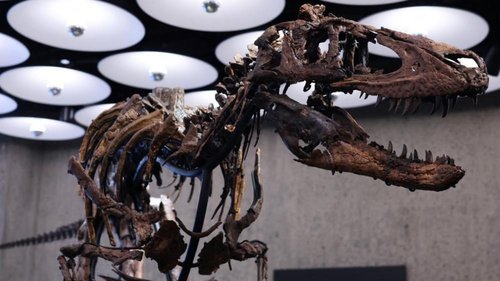
At a paleontological dig in northeastern Brazil, an international team of scientists confirmed the oldest known fossilized red blood cells and hemoglobin proteins in a 115‑million‑year‑old theropod dinosaur, a finding reported by Xinhua and published in Proceedings of the National Academy of Sciences on Nov. 4.
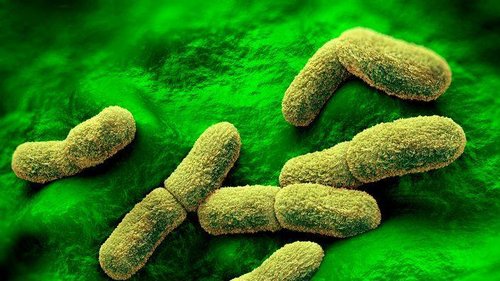
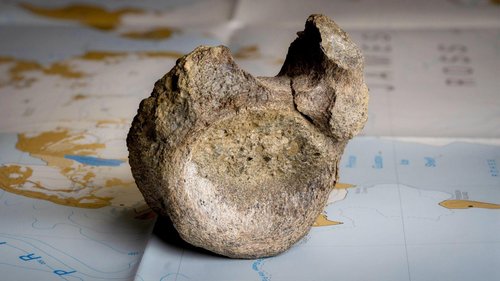
The fossilized limb bones, recovered from the Getúlio Vargas Formation, contained mineralized cells and intact heme biomolecules within vascular canals. According to the Xinhua statement, the mineral hausmannite helped lock in the cellular structures and associated biomolecules over deep time.
Lead author Kliti Grice of Curtin University said the results challenge longstanding assumptions that hemoglobin could not survive deep time.
“The findings challenge longstanding assumptions that biomolecules such as hemoglobin could not survive deep time,” Kliti Grice said.
Grice added that the discovery could open new avenues for studying the evolution of blood, metabolism and activity levels in ancient animals, and might inform searches for ancient life beyond Earth.
The researchers attribute the exceptional preservation to rapid burial in a low‑oxygen, microbially rich environment shortly after the dinosaur’s death, a scenario that appears to have shielded the tissue from degradative processes.