In brief
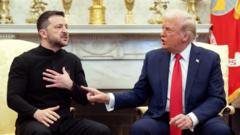
During a recent Oval Office meeting, Ukrainian President Volodymyr Zelensky's choice of a military-style sweatshirt over formal attire ignited a heated exchange with U.S. officials, highlighting the ongoing complexities of U.S.-Ukraine relations.
Ukrainian President Volodymyr Zelensky's attire has emerged as a focal point, revealing sensitivities in U.S.-Ukraine relations. When Zelensky arrived at the White House wearing a military-style black sweatshirt emblazoned with the Ukrainian trident, President Trump promptly noted his casual attire, saying, "You're all dressed up today." This marked the beginning of a tumultuous exchange that has since captured global attention.Since the 2022 Russian invasion of Ukraine, Zelensky has opted for less formal clothing, embracing a style meant to symbolize solidarity with Ukrainian soldiers. Critics of U.S. assistance to Ukraine have often pointed to this choice as a critique, arguing that it reflects a lack of respect for the U.S. presidency. That criticism reached new heights when a conservative reporter, Brian Glenn, challenged Zelensky's appearance during a recent press conference, questioning his failure to wear a suit in the Oval Office—a move that shifted the mood dramatically.Amidst pressing discussions about military aid, Glenn's inquiry—"Why don’t you wear a suit?"—seemed to take Zelensky aback. He initially appeared engaged and friendly with Trump, but after the offhand remark, he visibly shifted to irritation. In a witty retort, Zelensky quipped, "I will wear a costume after this war will finish," and added a jab that drew laughter, suggesting he could wear something "like yours."The unanticipated tension spiraled further when Vice President JD Vance interjected multiple times, emphasizing the need for mutual respect during the meeting. Discontent in the room escalated until Zelensky eventually exited in what many are calling a significant diplomatic misstep.Zelensky's defenders have since countered the suit criticism by referencing historical leaders like Winston Churchill, who donned casual attire during World War II, arguing that the context of the meeting should warrant flexibility in dress codes. Critics, however, have seized the opportunity to express dissatisfaction and question Zelensky's gratitude toward the U.S.In the aftermath, while Trump lightheartedly affirmed he "liked" Zelensky's clothing, insiders suggested White House staff were displeased by the Ukrainian leader's decision not to wear a suit despite expectations. The tensions illustrate deeper fractures in the ongoing support for Ukraine, as international observers watch closely for the implications of this diplomatic dimension in the broader context of the crisis.