In brief
The growing phenomenon of AI-generated action figures has users divided between enjoying the fun and worrying about the consequences.
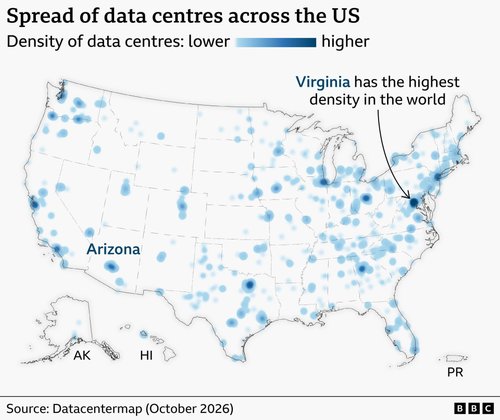
Recent social media trends have showcased a new form of digital self-expression, where individuals are transforming themselves into miniature dolls through generative AI tools like ChatGPT and Copilot. This quirky trend, which allows users to package themselves as action figures, is gaining popularity among influencers and brands alike. While the allure of reimagining oneself is strong, critics argue that the excitement surrounding these AI dolls should not overshadow significant concerns regarding energy consumption and data privacy.The process of creating an AI doll is relatively straightforward. Users simply upload a photo of themselves and provide specific prompts detailing the desired look and accessories. While the results are often amusing and creative, many users have shared their experiences with the technology, highlighting issues with accuracy and often humorous outcomes. Influential brands, including Mario Badescu and Royal Mail, have jumped on the bandwagon, but the trend's appeal also raises questions about its sustainability.According to Jasmine Enberg, a principal social media analyst at eMarketer, the user-friendly nature of generative AI may accelerate the trend, pushing more people to partake due to the fear of missing out. However, industry experts warn of the environmental implications associated with AI. Professor Gina Neff from Queen Mary University London noted that the vast energy consumption of AI data centers could rival that of 117 countries within a year. Concerns over data privacy and copyright infringement related to AI-generated content are part of the dialogue as well.Jo Bromilow, director at PR and creative agency MSL UK, called for mindful engagement with AI. She emphasized the need for setting guidelines around its use, urging users to weigh the fun against potential risks. Indeed, while AI could revolutionize creativity and content generation, it's vital to consider its environmental footprint and ethical implications moving forward.In a personal testing of the AI doll creation process, BBC technology editor Zoe Kleinman faced challenges in achieving a satisfactory representation of her likeness, revealing the limitations of AI technology. The lengthy process of tweaking prompts and waiting for image generation quickly became frustrating, raising questions about the balance between novelty and practicality in this digital age.As the trend continues to mushroom, participants may want to reflect on the technology driving it and the potential ramifications it has on both the environment and our digital lives.