In brief
President Trump’s deal with Mexico for troop deployment raises doubts among experts regarding its effectiveness in curbing drug and migrant flows, with concerns about prioritizing media attention over substantive policy.
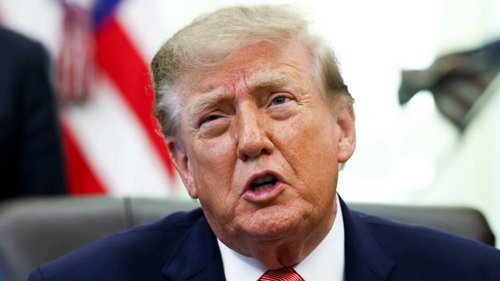
In a move reminiscent of previous agreements, President Trump has successfully arranged for Mexico to send an additional 10,000 Mexican National Guard troops to its northern border. This deployment aims to mitigate the ongoing flow of migrants and drugs, including the potent opioid fentanyl, as a measure to avert potential tariffs from the United States. However, as the news of this agreement unfolds, there is considerable skepticism among analysts and former diplomats about the actual impact of such a military presence. Critics point out that this strategy echoes Trump's earlier claims of a similar troop increase in 2019, which ultimately did not achieve significant results. Arturo Sarukhán, a former Mexican ambassador to the U.S., articulated concerns that the current mobilization is more about creating an illusion of action than implementing effective policy. "It’s a lot of shock and awe, but very little policy," he remarked, indicating that the unintended consequences of previous military-focused strategies, particularly during former President Felipe Calderón’s administration, have not been effectively addressed. The Mexican government, led by President Claudia Sheinbaum, appears to be leaning into this high-profile decision to foster goodwill and appease U.S. demands while maintaining its domestic public image. As attention turns to how this deployment will unfold, the fundamental question remains: how effective will these 10,000 troops truly be in addressing the complexities of drug trafficking and migration challenges at the border?