As the fight against climate change intensifies, new findings show that 2024 has marked a turning point in global temperature records, setting the stage for exceeding the critical 1.5C global warming limit. The European Copernicus climate service reported that this year has not only reached alarming heat levels but has also become the first calendar year to report average global temperatures around 1.6C higher than pre-industrial levels.
This pivotal milestone emphasizes the continuing challenge posed by fossil fuel emissions, which persist at record highs despite international commitments made during climate negotiations over the past decade. According to UN Secretary-General António Guterres, the recent string of temperature anomalies signals a "climate breakdown," urging nations to take immediate action to significantly cut emissions of greenhouse gases by the year 2025.
The latest reports from Copernicus reveal that the record-breaking temperatures for 2024 surpass those of 2023 by over 0.1C, confirming that the last decade has been the warmest period on record. Alongside this disturbing trend, natural weather events like El Niño have played a smaller role in this year's unusual heat, as greenhouse gas concentrations largely dominate the climate crisis.
The significance of the 1.5C target, established at the Paris agreement in 2015, has taken on immense importance, particularly for vulnerable nations whose survival hangs on the global community's ability to alleviate climate effects. Rising sea levels, extreme weather phenomena, and biodiversity loss are risks associated with a 2C increase — a possibility that is coming closer to reality as warming continues.
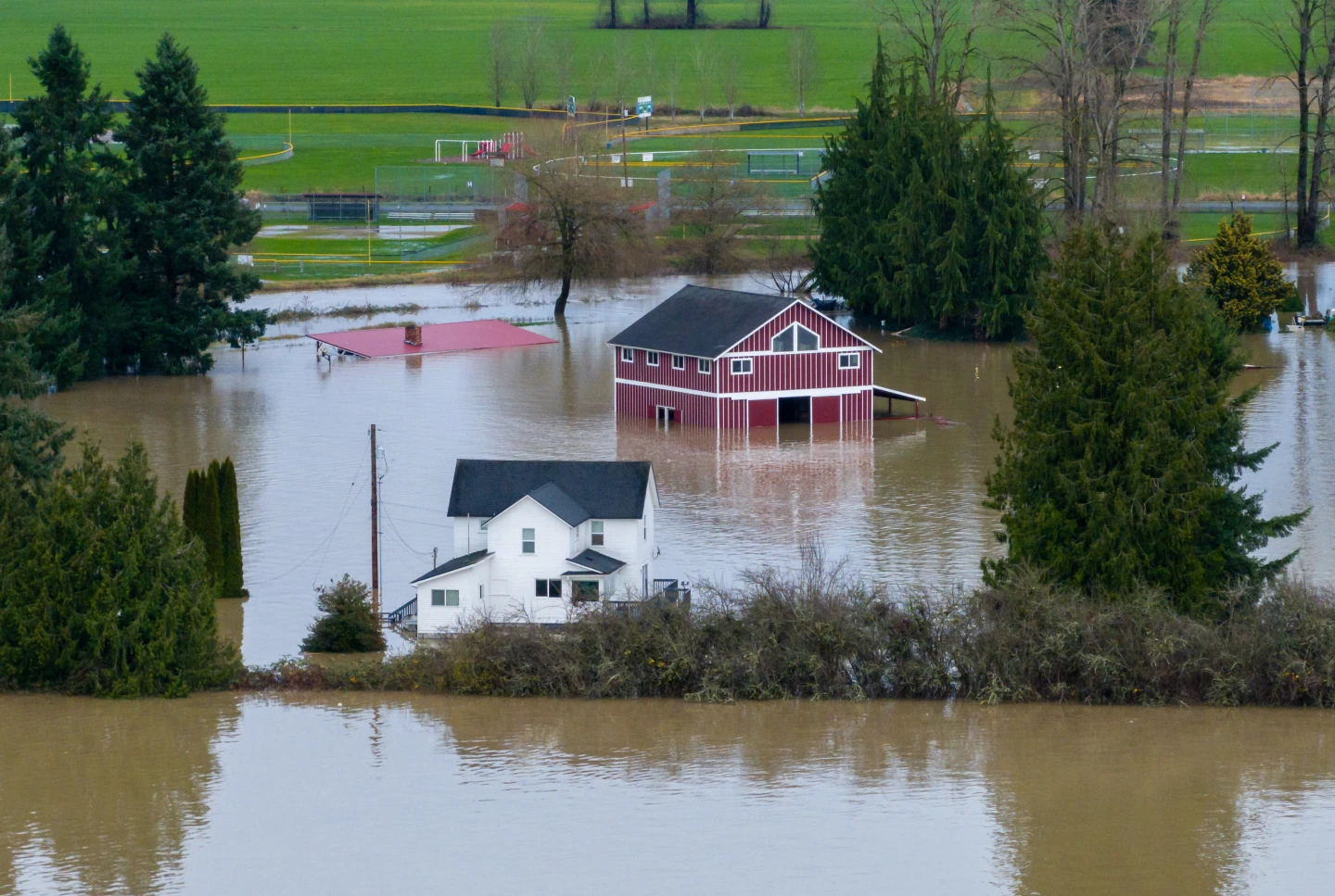
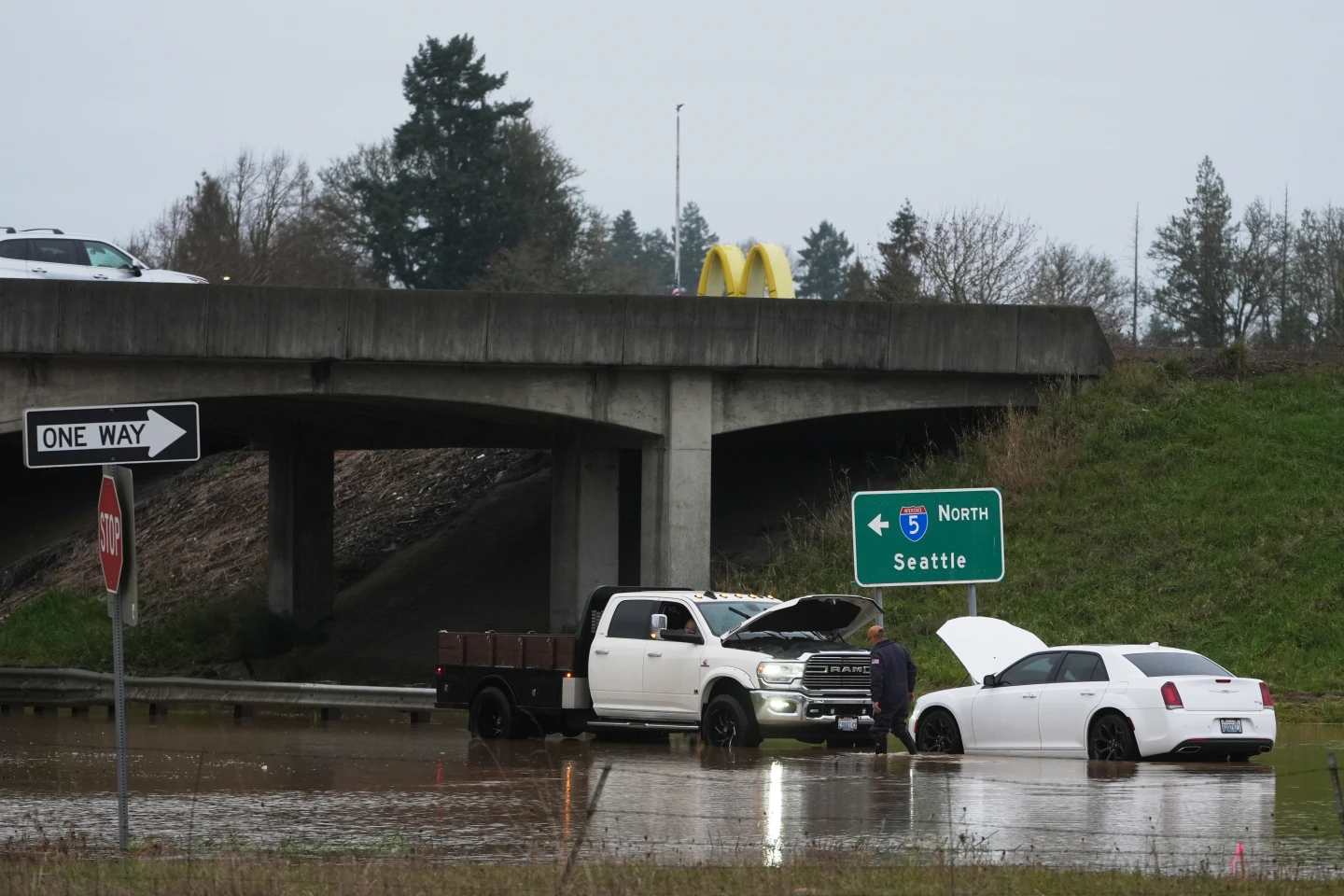
Experts estimate that while it is challenging to precisely forecast when the world will breach the long-term 1.5C mean, if current conditions persist, it is likely that this threshold could be crossed by the early 2030s. Climate scientists emphasize that every fraction of a degree counts, as heightened temperatures lead to more frequent and severe extreme weather events, such as devastating heatwaves and intense rainfall.
The consequences of 2024's oppressive heat can be felt globally, from severe drought in South America to destructive wildfires sweeping across California. These patterns reflect the broader scope of issues influenced by climate change. Meanwhile, ocean surface temperatures have surged to new highs, with elevated atmospheric moisture further compounding the challenges faced by the planet.
Despite the troubling trajectory, scientists maintain that humanity still wields significant influence over determining the future climate by drastically reducing greenhouse gas emissions. They caution that while surpassing 1.5C may now seem inevitable, efforts can still be made to limit warming to 1.6C, 1.7C, or 1.8C within this century, thereby potentially mitigating catastrophic climate impacts. The hurried call to action remains clear: without decisive measures to curb emissions, outcomes could lead to a stark future defined by 3C or 4C of warming, invoking dire consequences for ecosystems and human livelihoods alike.