In brief
Following the devastating crash of a Jeju Air flight at Muan International Airport, aviation experts are scrutinizing the unusual concrete wall located just off the runway, believed to have contributed to the high number of fatalities. As authorities continue their investigation, the design and necessity of the structure are under debate amid calls for stricter safety measures.
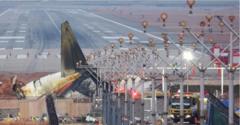
Aviation experts are raising alarms over a concrete wall situated near the runway at Muan International Airport, where a tragic plane crash resulted in the loss of 179 lives. The incident, South Korea's deadliest aviation disaster, involves a Jeju Air flight that collided with the wall after coming off the runway. Footage captured during the event illustrates the aircraft striking the “obstruction” shortly after touchdown, leading to a fiery aftermath.Authorities are now investigating whether the proximity of this wall—approximately 250 meters (820 feet) off the end of the runway—played a significant role in the unfortunate outcome. Air safety specialist David Learmount commented that if the wall had not been present, the plane "would have come to rest with most - possibly all - those on board still alive."Initial reports from the pilot indicated a bird strike shortly after which the landing attempt was aborted. The aircraft ultimately touched down further along the runway, appearing to glide without deploying its landing gear. Although the landing technique was noted as controlled, the subsequent impact with the concrete structure led to catastrophic results.Criticism has arisen regarding the structure itself—described by Lufthansa pilot Christian Beckert as "unusual." Typically, airport design avoids erecting hard barriers right at the end of runways. The wall houses vital navigation equipment, including a localiser that assists with landings, and is covered with dirt to maintain its integrity.The South Korean transport ministry acknowledged that while these types of installations are common at other airports, it will explore concerns around using lighter materials that could be more forgiving in the event of an aircraft collision.In the aftermath, numerous questions linger regarding safety protocols and design standards. Chris Kingswood, an experienced pilot, noted that obstacles near runways should typically be designed to crumble upon impact to safeguard aircraft safety. He emphasized that while certain safety regulations might have been followed, there could easily be hazards overlooked at major airports.Aviation analyst Sally Gethin highlighted the necessity of understanding the pilots' awareness of potential barriers, especially given that the aircraft approached from a non-standard direction. Questions remain about communication from the control tower during the incident, particularly regarding changes in runway usage.As investigations into this tragic event continue, the focus will likely widen to encompass broader considerations around aviation safety standards and infrastructural accountability in South Korea and potentially beyond.