In brief
As thousands of Gazans make their way back, the challenges facing them paint a dire picture of survival and rebuilding from scratch.
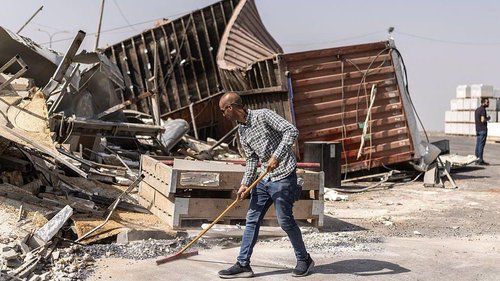
With belongings in hand and hope in their hearts, thousands of displaced Gazans have begun their difficult journey home. While the Gaza Strip’s small geography makes the physical distance manageable, the emotional and logistical challenges ahead paint a sobering future for those returning. The devastation of infrastructure and lack of essential services are massive barriers to rebuilding. "We have to re-establish again from the beginning, from zero," lamented Gazan journalist Ghada el-Kurd, who is among those returning from a shelter in Deir el-Balah.Despite some immediate aid starting to flow back into the region with the help of organizations such as the UN’s Palestinian refugee agency, Unrwa, the scale of humanitarian need remains staggering. UN representatives report that they are only beginning to meet basic needs such as food, water, and hygiene products, and acknowledge that a long, arduous recovery lies ahead.The conflict has forced approximately 700,000 people to flee from Gaza City and its surroundings, leading to widespread devastation of housing—over 70% of the Gaza Strip's structures are reportedly damaged or destroyed. Particularly hard-hit is Jabaliya, with its neighborhoods almost unrecognizable after the conflict.The urgent issue of providing shelter remains critical. The Gaza's Hamas-led government has requested 135,000 tents and caravans, yet the UN has stated it can only deliver a fraction of this number due to a dearth of available supplies. The rising demand for accommodations as refugees return exacerbates existing tensions, particularly where housing is shared among multiple families. Moreover, returning residents are already feeling the economic impacts as prices for essential goods begin to rise. "I went to the market today to buy frozen fish for the first time...but already sellers are raising prices," reported Asmaa Tayeh, a resident returning to Jabaliya.Amidst all this hardship, some returning residents express optimism about the opportunities ahead. A woman in the resilient community of Beit Hanoun expressed her delight at finally being back home, signifying a glimmer of hope amidst despair.However, concerns linger regarding potential solutions to the refugee crisis suggested by figures like Donald Trump, as neighboring countries react with apprehension to the idea of housing Gazan refugees. This response highlights the geopolitical complexities of the region and the challenges facing Gazans seeking a stable and dignified future.As Ghada el-Kurd concludes, “They deserve a better life. But why not in Gaza?” The time for rebuilding is now, but without swift and generous aid, many fear further displacement. With the war beginning in October 2023, significant numbers of Gazans are already leaving—an indication of the exodus that may follow if recovery efforts do not unite for the people of Gaza.