In brief
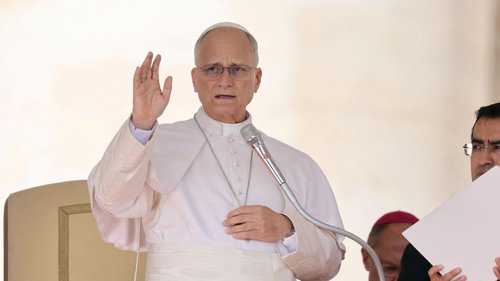
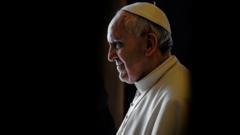
Pope Francis, born Jorge Mario Bergoglio, has been a transformative figure at the helm of the Catholic Church, embodying a blend of traditionalism and reform since his election in 2013.
In an unprecedented moment in history, Cardinal Jorge Mario Bergoglio of Argentina ascended to the papacy on March 13, 2013, as Pope Francis, marking numerous firsts in the Catholic Church. He became the first Pope from the Americas and the first Jesuit to occupy St. Peter’s throne, breaking a long-standing European lineage that had persisted since 741. Initially seen as a compromise candidate, Francis was already in his seventies and aimed to bridge the gap between conservative and reformist factions within the Church.From the very outset of his papacy, Pope Francis signaled a departure from the norms of the Vatican. Opting for simplicity, he eschewed the traditional papal limousine, took the bus with fellow cardinals, and emphasized a mission directed toward the marginalized, famously stating, “Oh, how I would like a poor Church, and for the poor.” His tenure was marked by a commitment to humility, which resonated deeply with the Church's 1.2 billion followers.Despite his efforts, resistance from within the Vatican bureaucracy and traditionalists lingered, complicating his reformative ambitions. Francis was determined to revitalize the Church's mission, yet accusations emerged regarding his past actions during Argentina’s military dictatorship, accusing him of insufficient opposition against oppressive regimes.Born on December 17, 1936, in Buenos Aires, Francis's life was shaped by his upbringing in a family that fled fascism in Italy. Early experiences as a nightclub worker contrasted sharply with his later ecclesiastical ascent after joining the Jesuits and advocating for social justice. As Archbishop of Buenos Aires, he often expressed concern for the poorest and called out social injustice.His papacy was characterized by a blend of traditional Catholic doctrine and nuanced approaches to contemporary issues. While advocating for the poor, he grappled with teachings on topics like marriage equality and abortion, adhering firmly to traditional doctrine while allowing some progressive dialogue on subjects including same-sex unions. He highlighted the importance of addressing child abuse within the Church, which became one of his most pressing challenges.Throughout his papacy, Francis demonstrated a knack for diplomacy, fostering inter-religious dialogue and becoming a mediator in global conflicts. His efforts culminated in historic meetings and prayers for peace, including bringing together Israeli and Palestinian leaders. He called for compassion towards marginalized communities, though his stance occasionally led to criticism from conservative elements within the Church.Despite facing health challenges, including a serious battle with pneumonia, Pope Francis persisted in his global outreach, visiting several countries to promote peace and interfaith understanding. His approach to leadership reflected a deep commitment to global inequality, seeking to ensure a Church that remains connected to its people rather than mired in internal conflicts.As he leaves a legacy of more than 140 cardinals from non-European countries, Pope Francis positioned the Church toward a more global vision, striving to embody a faith that serves and uplifts the needy. His journey showcased the balancing act of maintaining tradition while boldly reforming an institution well-enshrined in centuries of practice. Ultimately, Francis’s impact rests on his vision: a Church that prioritizes outreach over self-preservation, choosing to heal, serve, and engage with the world.