In brief
Despite a long tradition of fearless cartooning, Indian satirists are now being silenced by Meta platforms. Satish Acharya’s Instagram account was abruptly blocked twice in three weeks, with no clear reason given. The bans come under India’s IT Rules, amid a flood of nearly 195 000 platform‑blocking orders. The crackdown threatens freedom of expression and the future of political dissent online.
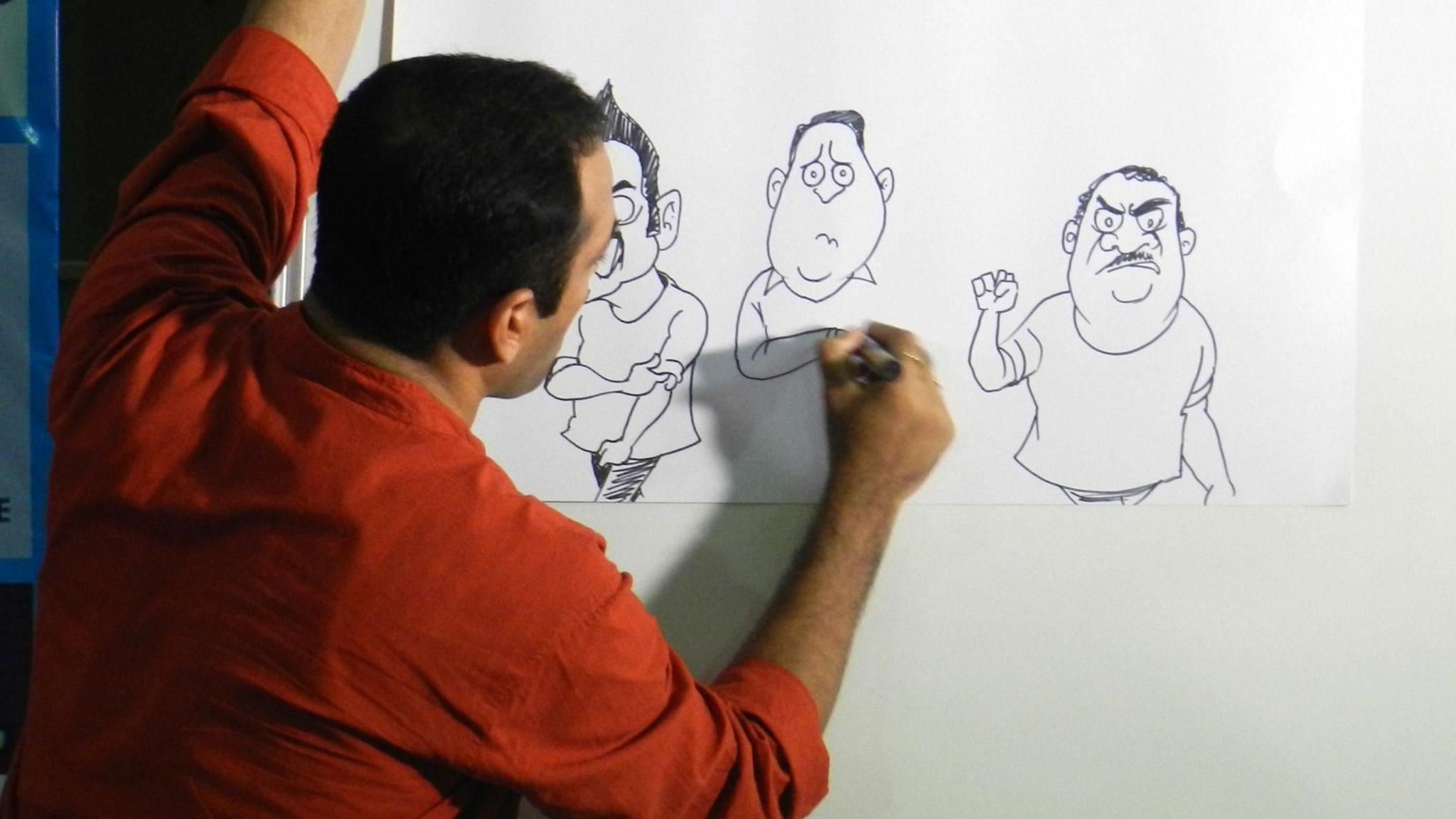
For the second time in three weeks, renowned Indian cartoonist Satish Acharya has found his Instagram account invisible in his own country. The 55‑year‑old discovered on Tuesday that Meta had once again temporarily blocked his profile, with users in India unable to locate or view it.
Just weeks earlier, fellow cartoonist Manjul saw a single post critiquing the election commission’s controversial voter‑roll revision removed in India, although his profile remained open. Both incidents highlight an increasing pattern of legal orders used to silence political satire.
Under the 2023 Information Technology Rules, authorities and courts can compel platforms to remove or restrict content. The government claims this is essential to curb unlawful material, but critics warn it undermines India’s vibrant tradition of satire and dissent.

Acharya wrote to Meta without response, preparing to take legal action when the account was once again inaccessible early this week for three days. Meta confirmed it may temporarily restrict accounts to comply with India’s IT Rules but did not disclose the specific justification for Acharya’s block.
The crackdown follows a surge of almost 195 000 blocking and content‑restriction orders sent to platforms between March and July, according to a right‑to‑information request. In that same month, the government urged Meta to review its recommendation algorithms to avoid steering users toward “single or limited narratives” that could incite public disorder.
Politicians and media have felt similar pressure. The outspoken comedian Kunal Kamra has faced threats and cancellations for jokes about the prime minister, while many newspaper‑affiliated artists now temper their work to avoid censorship.
Yet the cartooning community remains resilient. When Acharya’s account first vanished, the indie comic creator Rachita Taneja drew a stick‑figure protest in solidarity, reminding peers that “the front lines of change are built by those who keep speaking.”
In a world where satire adapts like a “shape‑shifting virus,” artists insist it will continue to find new ways to challenge power, regardless of digital barriers.