
In brief
The United Nations warns that food aid in Gaza is running low as Israel suspends humanitarian shipments, leading to skyrocketing prices and urgent calls for international intervention.
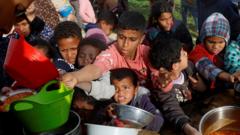
Prices of essential goods in Gaza have surged dramatically after Israel's recent suspension of humanitarian aid, according to the United Nations. The Office for the Coordination of Humanitarian Affairs (OCHA) highlighted that many community kitchens may soon exhaust their supplies, threatening food security for over 500,000 residents. Prime Minister Benjamin Netanyahu made the controversial decision to halt aid at the weekend, alleging that Hamas had been pilfering supplies and rejecting a U.S. proposal to extend a ceasefire. Hamas dismissed the accusation, calling the halt "cheap blackmail."A joint statement from the foreign ministers of France, Germany, and the UK described the situation as “catastrophic,” urging Israel to ensure the unrestricted flow of humanitarian assistance. They emphasized that using aid as a political leverage contravenes international humanitarian law. Under the previous ceasefire arrangement that began on January 19, a significant number of aid trucks accessed Gaza, but Netanyahu's allegations have prompted an abrupt policy shift. As a result of this material blockade, OCHA reported that some community kitchens are grappling with the prospect of downgrading meal quality and reducing output to manage dwindling resources.Reports indicate that prices for basic staples have drastically increased, with instances of flour and vegetable costs more than doubling. Local residents confirm that the price of a kilogram of tomatoes leaped from five to ten shekels overnight, an unsustainable burden for families already facing hardships.Others speculate on potential profiteering among merchants who have raised prices in response to supply constraints. Merchant Mahmoud Abu Mohsen attributed price hikes to increased costs from wholesalers, stressing the difficulty of maintaining reasonable pricing in the current climate.Caroline Seguin from Doctors Without Borders condemned the situation, arguing that the use of aid as a negotiation tool is "unacceptable" and will only worsen the humanitarian crisis. Egypt and Qatar have also criticized Israel's actions, calling it a clear breach of international law and an attack on the fundamental rights of the Palestinian people.Israeli officials, however, counter these claims, insisting that Hamas has enough supplies and is not distributing them fairly. Recent figures from OCHA previously indicated that nearly half of Gaza's population had received food assistance amid intense conflict.The humanitarian blockade extends beyond food aid, affecting medical supplies and essential services. Medical Aid for Palestinians (MAP) reported low stocks of critical medications and resources for a potential prolonged blockade.The ceasefire resulting from complex negotiations aimed to quell 15 months of violence that began after a Hamas attack on October 7, 2023, which resulted in significant casualties. The ongoing conflict raises concerns not only for immediate food security but for the underlying humanitarian crisis in Gaza.

