In brief
An analysis of Trump's claims has revealed that the majority of Biden's presidential pardons are valid, countering the former president's allegations made on social media that the use of autopen had rendered them void. Legal experts affirm that there are no laws pointing to autopen-signed documents being non-binding.
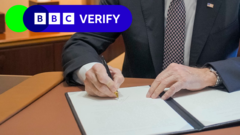
Former President Donald Trump's recent assertion claiming that many pardons issued by President Joe Biden are void due to being signed with an autopen has sparked controversy. Autopen is a device that replicates handwritten signatures. Trump made these claims on his social media platform, Truth Social, although he failed to provide substantiating evidence for his statements.According to BBC Verify, Trump suggested that Biden's pardons to the "Unselect Committee of Political Thugs" and others are "void, vacant, and of no further force or effect" because they were not signed by hand. However, investigations by BBC Verify have found numerous examples of Biden signing pardons with his own hand, including those for individuals incarcerated for marijuana possession.The White House, along with various legal experts, has countered Trump's claims, underscoring that US law does not consider autopen-signed presidential documents as invalid. Legal specialists point out that the practice of using autopens is not uncommon among previous presidents, including Barack Obama, who officially used it for bills he signed into law.Furthermore, experts contend that if Trump were to pursue the matter legally, he would be encroaching upon unwritten constitutional norms. The possibility of a president unilaterally declaring a predecessor's pardons void is extremely rare and unprecedented in modern governance.Reports have emerged that Trump's claims were likely influenced by allegations from the Oversight Project, part of the Conservative think tank The Heritage Foundation, which had put forth a similar narrative about Biden's use of autopen for pardons.As scrutiny continues, the accuracy of Trump's assertions stands challenged, raising crucial questions about both the use of autopen signatures and the binding nature of presidential pardons in the eyes of law.