In brief
In Port Sudan, the city’s water system now provides less than half the required amount, according to the African Development Bank. Families such as that of Amina Khalafallah spend their entire monthly salaries purchasing 18-litre water from street vendors, while the community struggles with high prices, displaced populations and damaged infrastructure.
Recent assessment by the African Development Bank shows Port Sudan’s water supply is meeting less than 40 percent of current demand, a shortfall that forces families to pay entire monthly wages for basic drinking water. The city, already strained by war and displacement, has seen its water infrastructure further eroded after the collapse of the Arbaat Dam in August 2024.
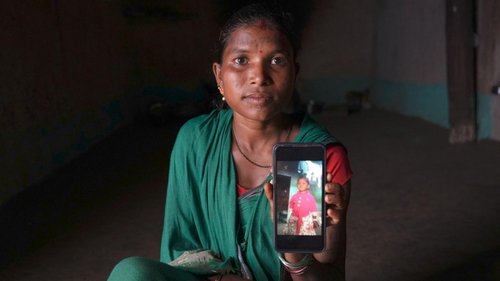
Amina Khalafallah of the Deim Mayo neighbourhood said she now spends 10,000 Sudanese pounds—about $1 on the parallel market—on a single 18‑litre supply. Over a 30‑day month, that equals 300,000 pounds, or roughly the value of her entire monthly salary, allowing her only a single meal for her family each day.
“We make sure to set aside money for water in the summer before covering our other household needs, even if that means going without some essentials,” Khalafallah told Al Jazeera.
Khalafallah and her husband rely on remittances, yet the family often must borrow to purchase water. She described the trend as “typical in Sudan,” citing United Nations Development Programme remarks that decades of war have pushed average incomes back to pre‑1990 levels.
Port Sudan, relatively shielded from active fighting, has absorbed a surge of displaced residents, which, combined with damaged pipelines and disrupted wells caused by the Arbaat Dam collapse, exacerbates scarcity. The city’s street vendors charge 1,000 pounds—about 10 cents—for every 18 litres, up from earlier months.
Al Jazeera reports that the city’s water network was never fully restored after the dam’s destruction, leaving vendors as the primary source of water. While restoration efforts are ongoing, families face unrelenting price hikes and supply gaps that threaten public health, especially for children susceptible to waterborne diseases, according to the African Development Bank.