In brief
Despite the economic benefits from high-spending guests, concerns grow over rising costs and diminishing community character in hillside resorts.
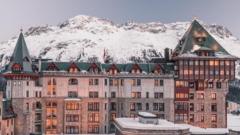
Switzerland is in a unique position as it continues to cater to the world’s wealthy travelers amid global uncertainties impacting the average consumer. While wealthy individuals thrive, the luxury tourism sector is witnessing unprecedented growth, particularly within the nation’s five-star hotel market. Once exclusive to the elite, these hotels now attract guests from key markets such as the United States, the Gulf States, China, and Southeast Asia. Iconic establishments like Badrutt's Palace in St Moritz exemplify the ultimate in luxury, meeting and exceeding the expectations of affluent tourists. Markus Berger from Switzerland Tourism emphasizes the significance of high-end guests, who, while representing only a fraction of total overnight stays, contribute substantially to the nation’s economic output. The reason for this investment into the luxury market is clear: with Switzerland's economy relying on a high-wage model, competing on price with lower-cost destinations is not feasible. Instead, the Swiss market focuses on unmatched quality and elite service, attracting wealthier clientele capable of sustaining the high costs associated with premium accommodations.However, the surge in luxury tourism leads to significant repercussions for local communities in renowned resorts like St Moritz and Zermatt. As high-end hotels and luxury apartments proliferate, local residents find it increasingly difficult to secure affordable housing options. Staff supporting this upscale service sector often commute from distant towns, raising concerns about the social fabric of these communities. Monika Bandi of Bern University's Tourism Research Unit warns of the delicate balance required in catering to affluent visitors without losing the authentic character of Swiss alpine towns.Recently, Wengen opened its first five-star hotel and plans additional luxury accommodations aimed at the affluent. This project has sparked debates regarding community integration and authenticity. Critics point out that while marketed as hotels, these luxury complexes might resemble holiday homes, violating local regulations and disrupting community life. There is also apprehension over the potential erosion of traditional cultural values in exchange for profit.Local voices highlight the need for maintaining Wengen’s unique charm, emphasizing its history with long-term visitors and traditions. Despite fears of commercialization, some stakeholders view the high-value tourism sector positively, asserting its importance in revitalizing economically stratified alpine communities.Overall, Switzerland’s strategic pivot toward luxury tourism seeks to capitalize on affluent travelers, ensuring that they remain a vital source of revenue. As debates surrounding community impact continue, it seems the nation's tourism model hinges not on volume, but on wealth and quality, a recipe that might yield prosperity, albeit with potential drawbacks for local residents.