In brief
In Unity State, South Sudan, the convergence of climate-induced flooding and oil pollution has left communities grappling with severe water shortages and health concerns. Locals report dire conditions as contaminated water sources exacerbate their plight. Experts warn of long-lasting ecological impacts and the need for improved environmental governance.
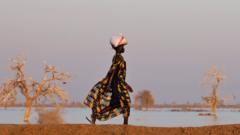
In South Sudan's Unity State, herders are battling a pressing crisis—access to clean drinking water. Chief Chilhok Puot describes the murky water they scoop from a small pond as tainted with oil-derived chemicals, stating, "If you drink it, it makes you pant and cough." Despite the known dangers, community members are left with little choice. "We know it's bad water, but we don't have anywhere else, we're dying of thirst," adds local cow herder Nyatabah. David Bojo Leju, a former oil engineer, warns that persistent flooding is carrying pollution from oil facilities into local water sources. The region has faced years of unprecedented flooding attributed to climate change, with the UN World Food Programme reporting that around 40% of Unity State remains underwater. Leju, who spent eight years with Greater Pioneer Operating Company (GPOC), documents the consequences of oil spills and mismanagement. He highlights that contaminated soil was often hidden rather than treated, perpetuating a cycle of environmental harm. Alarmingly, produced water from oil extraction, laden with harmful hydrocarbons, was routinely returned to the ecosystem, contaminating the water supply.The impact of this pollution is significant, as locals report unusually high rates of congenital abnormalities. In Bentiu, health professionals are raising alarms over reported birth defects linked to polluted water sources. "Many cases of children born with abnormalities go unreported due to stigma and access issues," states Dr. Samuel Puot, a medical practitioner.Compounding the issue, studies conducted by NGOs found elevated levels of heavy metals in the area, indicative of oil-related pollution. South Sudan's government is under scrutiny, with calls for a comprehensive environmental audit focusing on the oil industry's impact, yet results remain unavailable.As intensifying floods disrupt traditional means of sustenance, citizens resort to foraging water lily roots and fish from contaminated floodwaters. Meanwhile, the difficult interplay between oil investments and environmental health has left communities in turmoil. Mary Ayen Majok, a politician, articulates a sentiment shared by many: "Talking about oil is like touching the heart of the government."Amid worsening conditions, experts caution that flooding could become a permanent feature in the region, driven by ongoing climate changes. Leju, now living in asylum in Sweden after facing persecution for his revelations, says, "The question is where does water flow? Up to the river, to the ponds?" Despite the struggles faced, the resilient communities of Unity State harbor hopes of future recovery and pastoral life once the water recedes. "When the water goes down, I’ll grow grain,” says a local woman, determined to rebuild in a challenging environment. The situation underscores a dire need for action against pollution and increased governance to protect the health and resources of South Sudanese communities.