In brief
Amid a devastating war, pregnant women in Gaza are living in fear as shortages of medical supplies and proper nutrition make both pregnancy and childbirth incredibly dangerous. Many mothers report harrowing experiences and heartbreak as they navigate a healthcare system significantly impacted by ongoing violence.
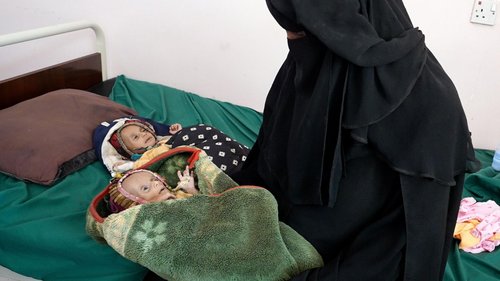
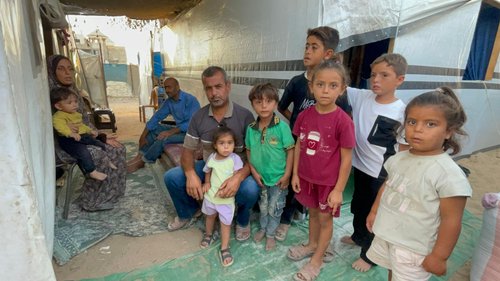
In Gaza, the experience of pregnancy has transformed from a joyful journey to a perilous struggle for survival amid a devastating war. The ongoing conflict has left many women overwhelmed with fear and anxiety regarding their pregnancies. With significant shortages of food and medical supplies exacerbated by the Israeli blockade, the situation for newborns and expectant mothers has become dire.New data from the UN indicates that 1 in 10 newborns in Gaza is born underweight or premature, with alarming increases in miscarriages and stillbirths reported. Malak Brees, a pregnant woman in Khan Younis, shared her fears of preterm labor and the inadequate conditions of her pregnancy. She describes how malnutrition and exhaustion have put her unborn baby at risk as doctors highlighted the harsh reality of relying on fate for her child's survival.As the conflict intensifies, childbirth has also become increasingly dangerous. Women are often forced to deliver babies in makeshift shelters, with limited access to critical medical assistance. Sandra Adler Killen, an American nurse who recently practiced in Gaza, noted that women sometimes leave hospitals mere hours after giving birth, often without proper follow-up care.Reports indicate that the Nasser hospital in Khan Younis has struggled under the pressure of increased patient numbers since an Israeli strike sidelined the nearby European hospital. The continuous assault on healthcare facilities has led to fears that many pregnant women lack access to the necessary prenatal check-ups. Dr. Ahmad al-Farra, a pediatric and maternity care specialist, described the profound psychological distress experienced by mothers, who are acutely aware that their pregnancies are not receiving adequate medical attention.Aya al-Skafi tragically recounted the loss of her four-month-old daughter, Jenan, due to malnutrition and a lack of appropriate formula. Desperate and pleading for help, Aya expressed her heartbreak over her inability to save her child amidst the devastation. With children under 18 constituting half of Gaza's population, the crisis extends far beyond individual families, as mothers struggle to nourish their infants amid severe shortages.Amidst this chaos, organizations like the Gaza Infant Nutrition Alliance seek to support local mothers, offering lactation advice and assistance. Killen recounted multiple harrowing cases of mothers trying to feed their newborns under life-threatening conditions. The trauma inflicted on these families has led to a surge in desperate situations, including suicidal ideation.Big families are common in Gaza, but displaced camps lacking traditional support networks have made the burden of motherhood even heavier. Jomana Arafa, a mother who recently gave birth to twins, experienced unimaginable sorrow when she, her babies, and her mother-in-law lost their lives after a missile strike just days after her joyful delivery.The worldwide response to the situation remains crucial as many women endure the unimaginable during what should be a time of hope and potential. Unfortunately, for Gazan families today, the birth of a child has become synonymous with the struggle to survive in an environment of fear, destruction, and uncertainty.